bulk neoprene mouse pads
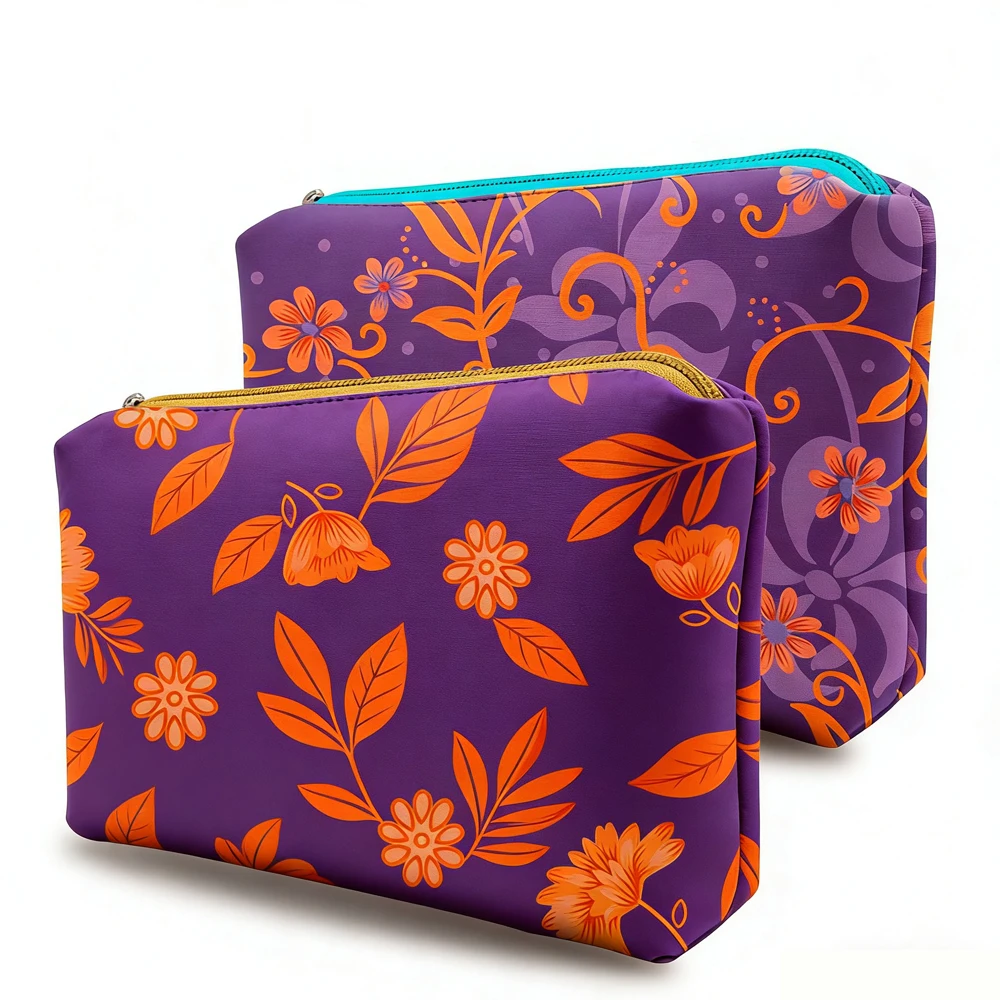
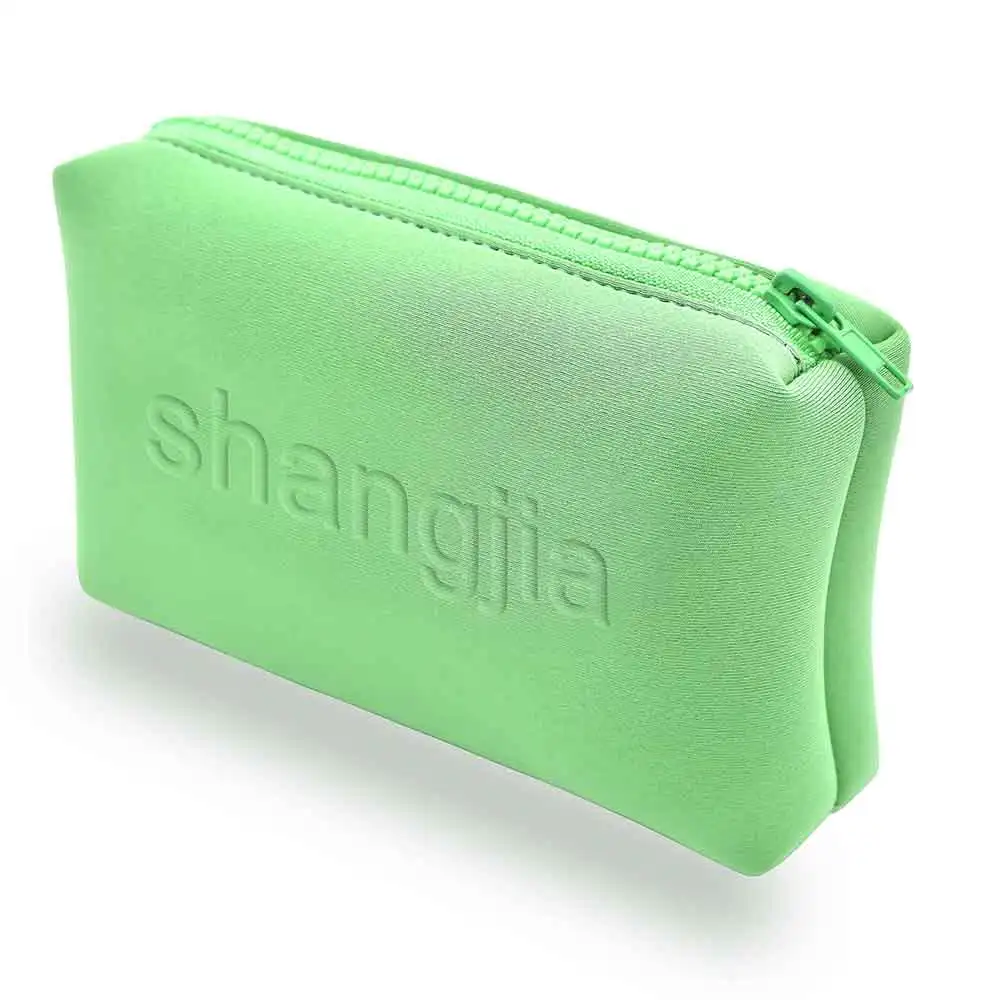
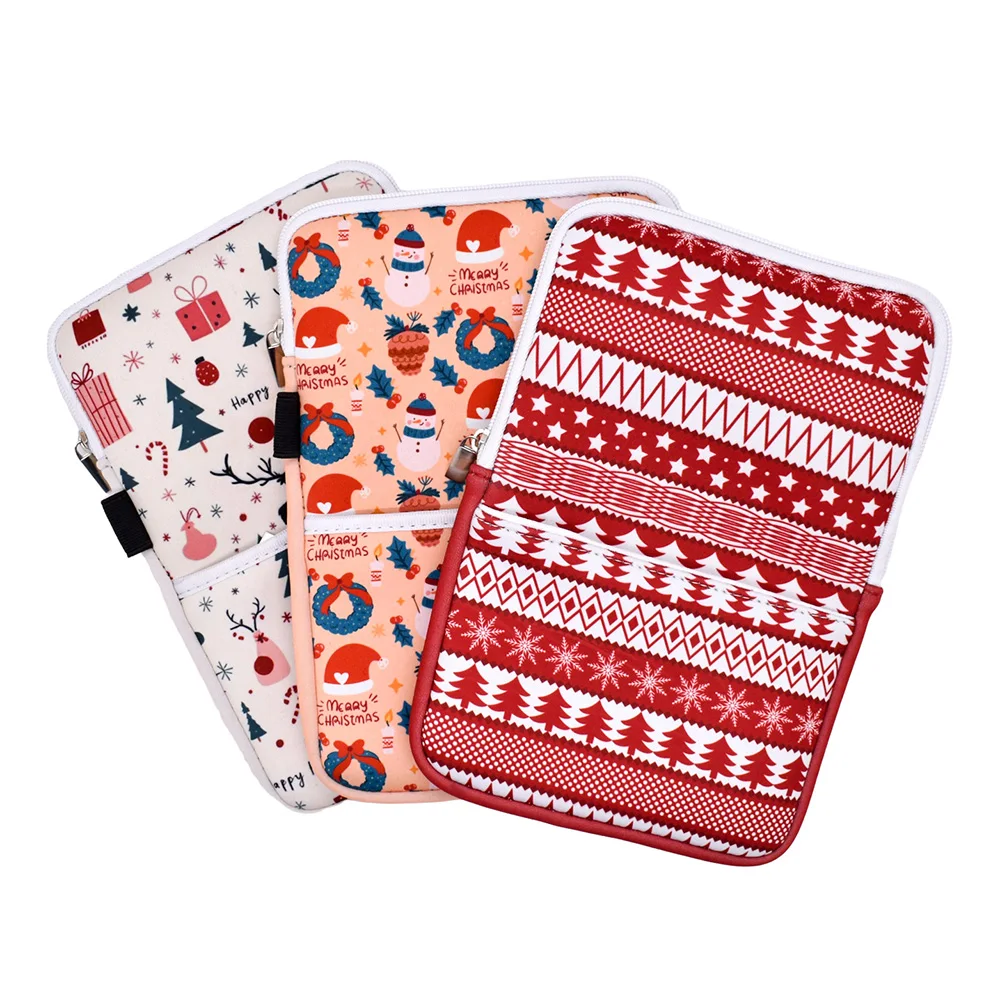
Bulk neoprene mouse pads represent a premium solution for businesses, educational institutions, and organizations seeking high-quality computer peripherals at competitive wholesale prices. These mouse pads utilize advanced neoprene rubber technology, creating a superior surface that enhances precision tracking while providing exceptional durability for extended use. The neoprene material, originally developed for wetsuit applications, offers unique properties that make it ideal for mouse pad construction, including water resistance, temperature stability, and consistent texture retention. Manufacturing bulk neoprene mouse pads involves specialized vulcanization processes that create a uniform surface density, ensuring optimal laser and optical mouse compatibility across various sensor technologies. The closed-cell structure of neoprene prevents liquid absorption, making these mouse pads easy to clean and maintain in high-traffic environments. Technological features include anti-slip backing systems that utilize natural rubber compounds, preventing unwanted movement during intensive computer work sessions. The surface treatment incorporates micro-texture engineering that balances smooth gliding with precise control, accommodating different user preferences and mouse sensitivity settings. Applications for bulk neoprene mouse pads span multiple industries, from corporate offices requiring consistent workstation setups to gaming centers demanding reliable performance equipment. Educational facilities benefit from the bulk purchasing advantages while ensuring students have access to professional-grade computer accessories. Call centers and data entry operations particularly value the ergonomic benefits and longevity that bulk neoprene mouse pads provide. The standardized dimensions and quality consistency make these products ideal for large-scale deployments where uniform user experience is essential. Temperature resistance characteristics allow these mouse pads to perform reliably in various environmental conditions, from air-conditioned offices to warmer industrial settings, maintaining their functional properties without degradation or warping issues that commonly affect inferior materials.
 EN
EN