Unmatched Durability and Longevity Performance
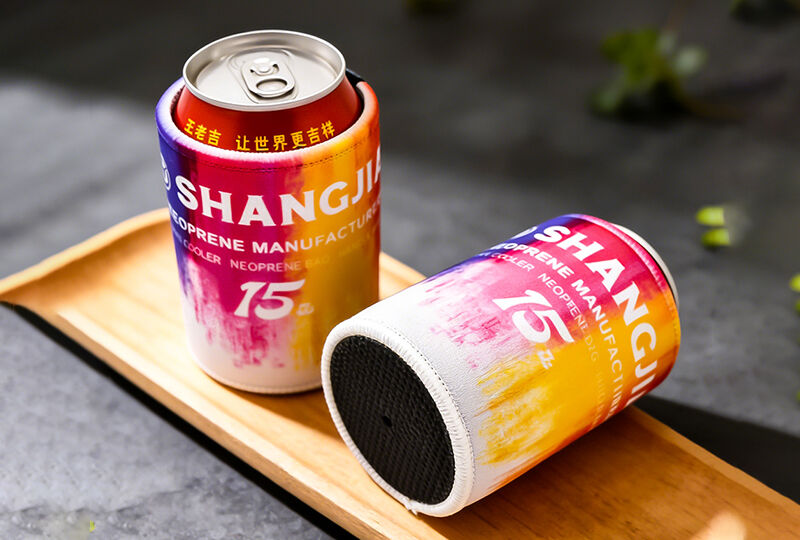
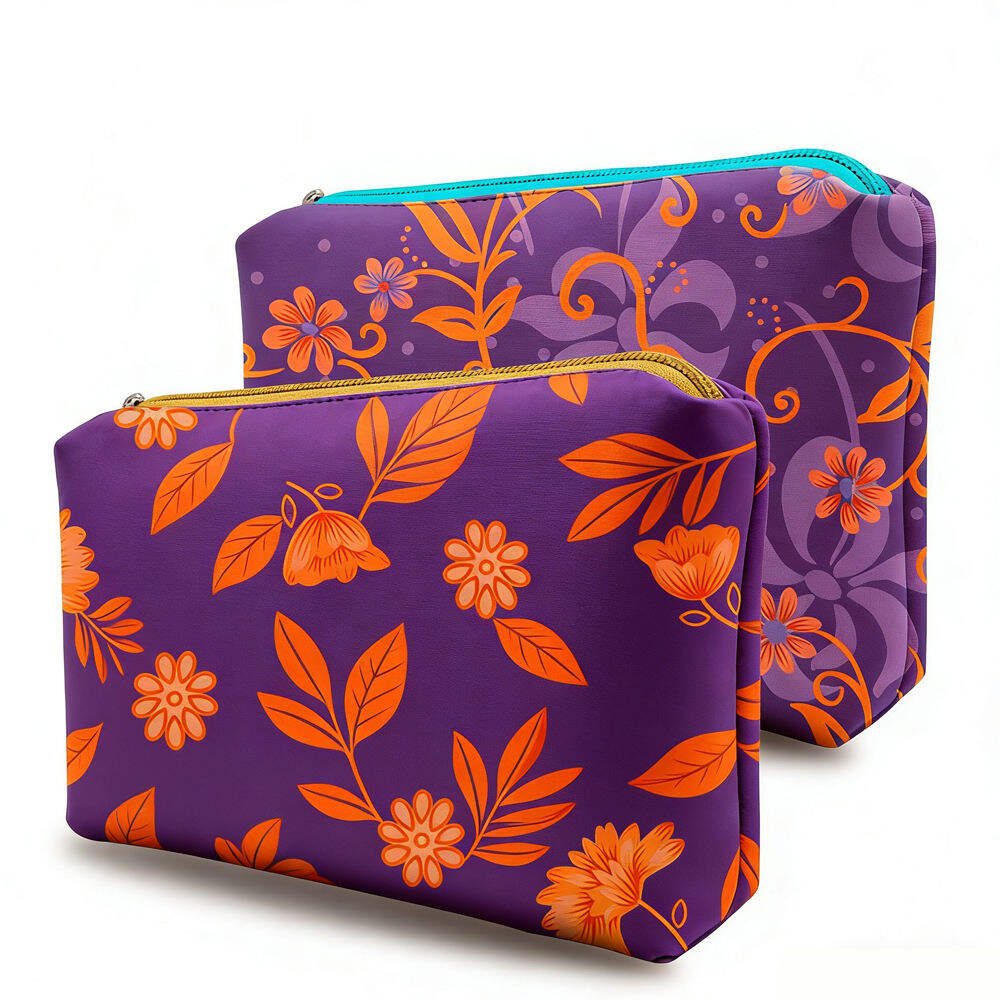
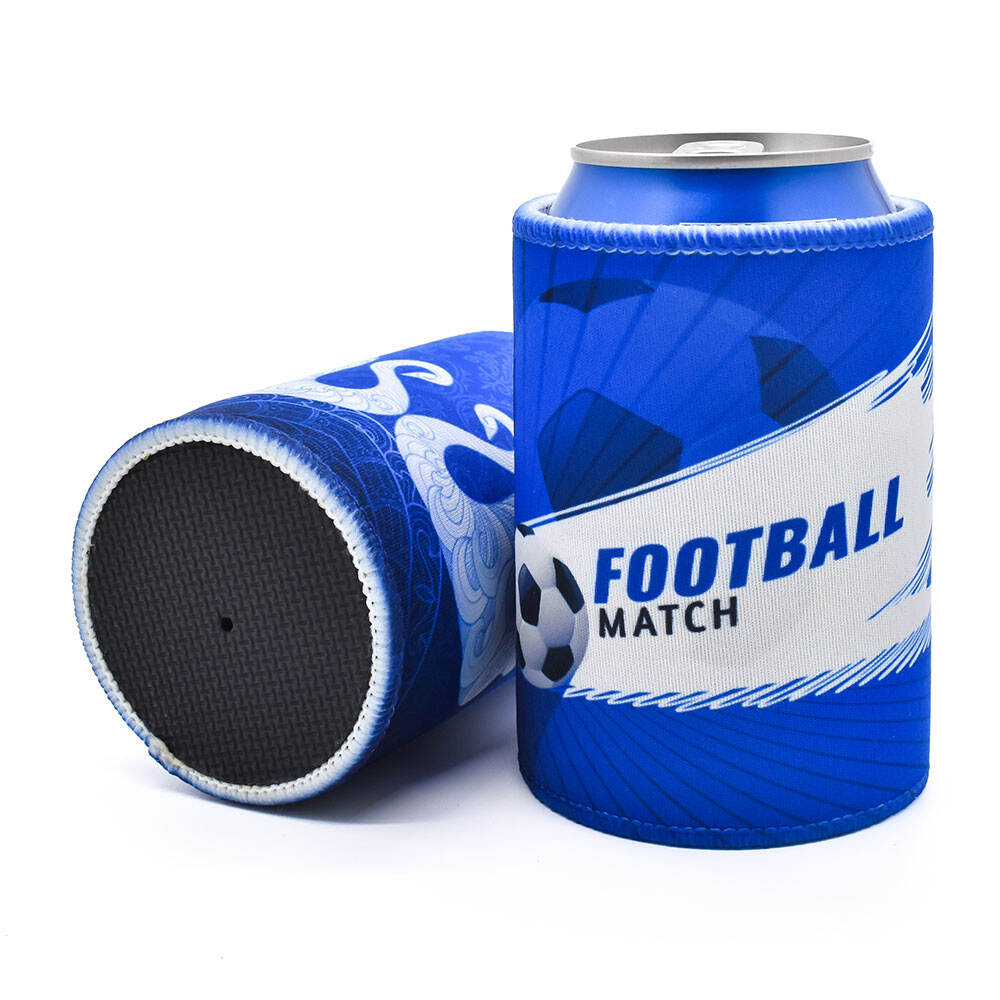
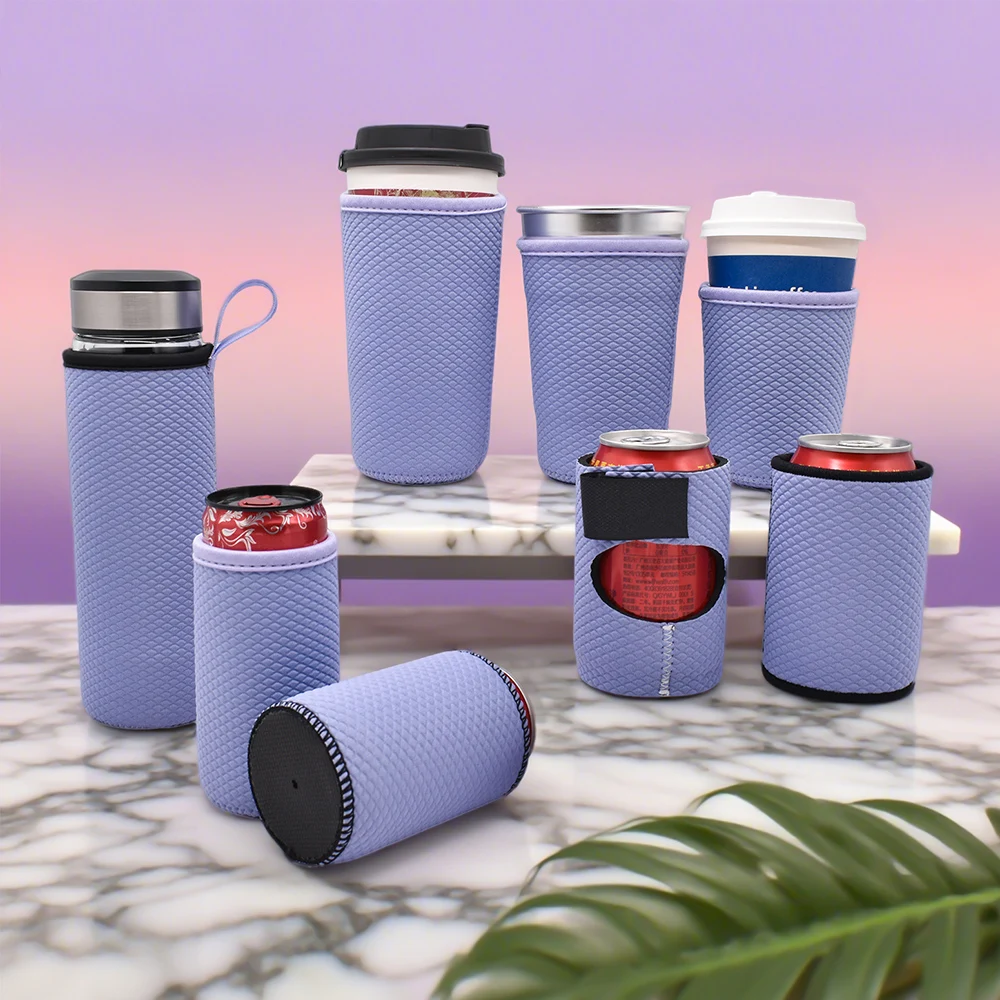
The exceptional durability characteristics of the neoprene stubby holder establish it as the premium choice for users requiring reliable long-term performance under challenging conditions. Engineering specifications for high-grade neoprene materials ensure each holder withstands extensive mechanical stress, repeated compression cycles, and exposure to environmental factors that quickly degrade lesser alternatives. Comprehensive durability testing subjects the neoprene stubby holder to simulated aging processes equivalent to five years of normal use, including temperature cycling from freezing to 120 degrees Fahrenheit, UV exposure equivalent to continuous outdoor use, and mechanical compression testing exceeding 10,000 cycles. Results consistently demonstrate maintained structural integrity and insulation performance throughout accelerated aging protocols, validating the long-term investment value of quality neoprene construction. The molecular structure of neoprene provides inherent resistance to ozone degradation, a common failure mode for rubber-based materials exposed to atmospheric conditions. This resistance ensures the neoprene stubby holder maintains flexibility and sealing properties even after years of outdoor use, preventing the cracking and hardening that compromises inferior products. Chemical resistance properties enable the neoprene stubby holder to withstand exposure to various beverage types without degradation, including acidic sodas, alcoholic beverages, and cleaning solutions used during maintenance. The material composition resists absorption of liquids and odors, preventing contamination between uses and maintaining hygienic standards essential for food-contact applications. Tear resistance specifications exceed industry standards for similar products, ensuring the neoprene stubby holder survives accidental punctures, sharp edges, and rough handling common in outdoor or industrial environments. The reinforced seam construction employed in premium models distributes stress evenly across joint areas, preventing separation failures that occur with bonded or sewn alternatives. Colorfastness testing confirms that printed designs and material colors resist fading even under intense UV exposure, maintaining aesthetic appeal throughout the product lifecycle and preserving brand visibility for promotional applications.
 EN
EN