 EN
EN


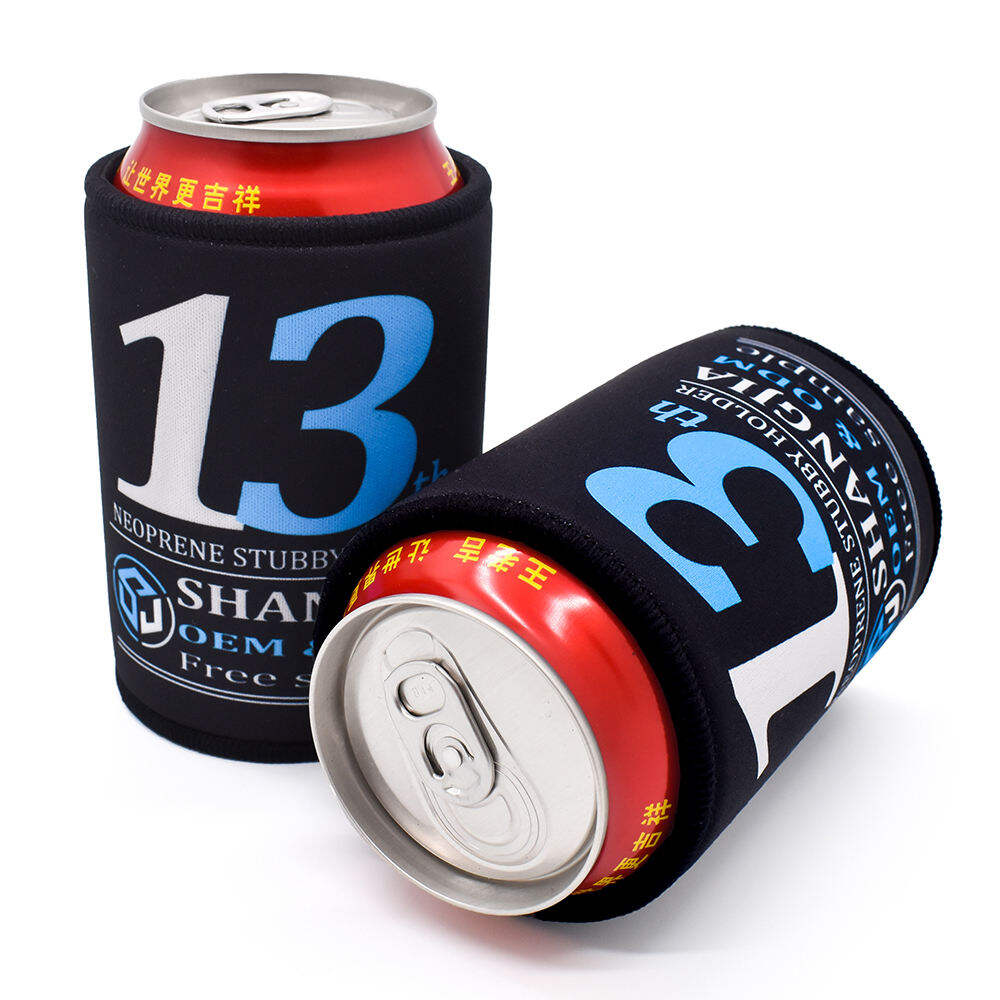
Creating a custom koozie that effectively keeps drinks cold and hands dry requires understanding the fundamental principles of thermal insulation and moisture management. A well-designed custom koozie combines the right materials, construction techniques, and personalization elements to deliver superior performance while reflecting your unique style or brand identity.
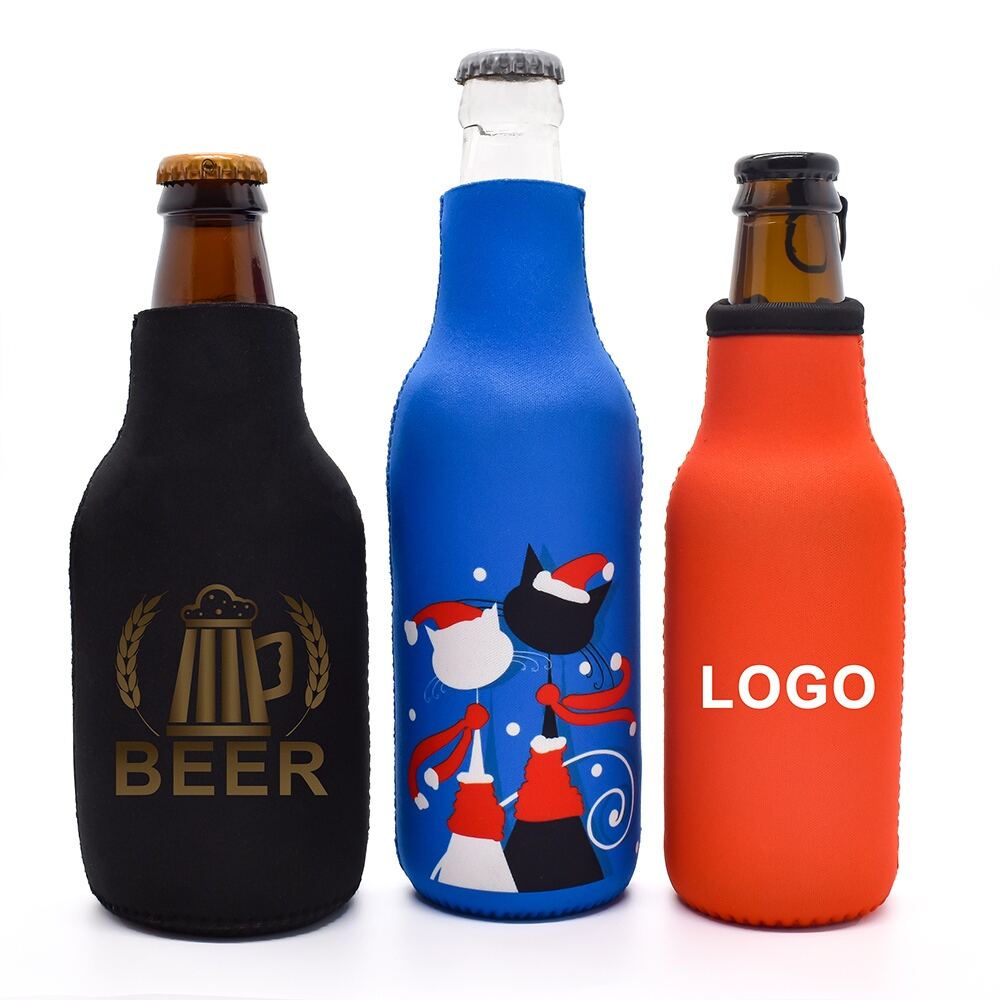
The process of developing a custom koozie involves careful material selection, precise design considerations, and manufacturing techniques that prioritize both functionality and aesthetics. Whether you're creating promotional items for your business, personalized gifts for special events, or simply want a unique beverage accessory, understanding the technical aspects behind effective koozie design will ensure your custom creation delivers optimal thermal protection and user comfort.
Understanding Material Selection for Superior Insulation
Neoprene as the Premium Choice
Neoprene stands as the gold standard for custom koozie construction due to its exceptional thermal insulation properties and moisture resistance. This synthetic rubber material creates a barrier that significantly reduces heat transfer between your hand and the beverage container. When designing your custom koozie, neoprene thickness typically ranges from 2mm to 5mm, with 3mm providing the optimal balance between insulation effectiveness and flexibility.
The cellular structure of neoprene contains thousands of tiny air pockets that act as thermal barriers, preventing external heat from warming your cold beverages. Additionally, neoprene's closed-cell construction naturally repels moisture, ensuring your custom koozie maintains its insulating properties even in humid conditions or when exposed to condensation.
Alternative Material Considerations
While neoprene excels in performance, other materials can be incorporated into custom koozie designs depending on specific requirements and budget considerations. Foam materials like polyethylene provide adequate insulation for lighter-duty applications and can be more cost-effective for large promotional orders.
Fabric-backed options combine insulating materials with decorative or branded outer layers, allowing for more complex custom designs while maintaining thermal performance. These hybrid constructions enable the integration of detailed graphics, logos, or text that might be challenging to achieve with solid neoprene custom koozie designs.
Design Engineering for Maximum Thermal Protection
Optimizing Fit and Coverage
The effectiveness of your custom koozie depends heavily on achieving proper fit around the beverage container. A well-designed custom koozie should provide complete circumferential coverage with minimal air gaps that could compromise thermal protection. The internal diameter should accommodate standard can and bottle sizes while maintaining sufficient compression to ensure secure contact.
Bottom coverage represents a critical design element often overlooked in basic custom koozie construction. Incorporating a closed bottom or substantial base coverage prevents thermal bridging through the container's bottom surface, significantly enhancing overall insulation performance.
Addressing Condensation Management
Effective custom koozie design must address condensation formation on cold beverage containers. The outer surface of your custom koozie should feature materials or treatments that resist moisture absorption while providing a comfortable grip texture. This dual approach prevents the transfer of condensation to your hands while maintaining the tactile qualities that make the koozie pleasant to hold.
Interior surface treatments can include moisture-wicking properties that actively draw condensation away from the container surface, further enhancing the thermal barrier effectiveness of your custom koozie design. These treatments also prevent the accumulation of moisture that could lead to bacterial growth or unpleasant odors over time.
Manufacturing Processes and Quality Considerations
Construction Techniques for Durability
Professional custom koozie manufacturing employs specialized stitching and bonding techniques that ensure longevity while maintaining thermal performance. Flatlock stitching creates smooth, durable seams that resist stress while minimizing bulk that could interfere with the custom koozie's fit around beverage containers.
Adhesive bonding techniques complement mechanical fastening methods, creating redundant closure systems that prevent delamination or separation over extended use. Quality custom koozie construction incorporates these elements seamlessly, resulting in products that withstand repeated use while maintaining their insulating capabilities.
Customization Integration Methods
Modern custom koozie production offers multiple personalization options that don't compromise thermal performance. Screen printing applies durable graphics directly to neoprene surfaces, while embroidery adds dimensional elements that enhance both appearance and grip characteristics.
Heat transfer vinyl application enables complex multi-color designs and precise text reproduction on custom koozie surfaces. Digital printing technologies now allow for photographic quality images and intricate patterns while maintaining the material integrity necessary for effective thermal protection.
Performance Testing and Quality Assurance
Thermal Performance Validation
Effective custom koozie development requires systematic testing to validate thermal performance claims. Temperature differential measurements compare the rate of heat gain in beverages with and without custom koozie protection, typically showing 3-5 degree Celsius improvements in temperature maintenance over 30-60 minute periods.
Condensation control testing evaluates the custom koozie's ability to prevent moisture transfer to users' hands during extended holding periods. Professional testing protocols simulate real-world conditions including varying ambient temperatures and humidity levels to ensure consistent performance across diverse environments.
Durability and Longevity Assessment
Quality custom koozie designs undergo rigorous durability testing including repeated compression cycles, washing resistance evaluation, and UV exposure assessment for outdoor applications. These tests ensure that custom graphics and materials maintain their integrity through extended use scenarios.
Flexibility testing verifies that custom koozie materials retain their elastic properties after exposure to temperature extremes, ensuring reliable fit and thermal performance throughout the product's intended lifespan. This comprehensive approach to quality assurance guarantees that your custom koozie investment delivers consistent value over time.
Advanced Features and Innovation Opportunities
Enhanced Functionality Integration
Modern custom koozie design can incorporate additional functional elements that extend utility beyond basic thermal protection. Magnetic attachments enable secure mounting to metal surfaces, while carabiner loops facilitate attachment to bags, belts, or outdoor gear for hands-free transport.
Integrated bottle opener functionality transforms your custom koozie into a multi-purpose tool, adding practical value that increases user engagement and promotional effectiveness. These features can be seamlessly integrated into custom designs without compromising the primary insulation performance.
Smart Material Technologies
Emerging material technologies offer exciting possibilities for next-generation custom koozie development. Phase-change materials can provide active cooling beyond passive insulation, while antimicrobial treatments ensure hygienic use in shared environments.
Thermochromic elements can create visual indicators that change color based on beverage temperature, adding an engaging interactive element to your custom koozie design. These innovations represent opportunities to differentiate custom products while maintaining essential thermal protection capabilities.
FAQ
What thickness of material provides the best balance between insulation and flexibility for a custom koozie?
A 3mm neoprene thickness typically offers the optimal balance for custom koozie applications, providing excellent thermal insulation while maintaining sufficient flexibility for easy beverage insertion and removal. Thicker materials may provide marginally better insulation but can become cumbersome for regular use, while thinner options may compromise thermal performance.
How long does a well-designed custom koozie typically keep beverages cold?
A properly constructed custom koozie can extend cold beverage temperatures by 45-90 minutes compared to uninsulated containers, depending on ambient conditions and initial beverage temperature. The actual performance varies with factors including material quality, fit precision, and environmental conditions, but quality custom koozies consistently demonstrate measurable thermal protection benefits.
Can custom koozies be designed to fit both cans and bottles effectively?
Yes, versatile custom koozie designs can accommodate both standard cans and bottles through strategic sizing and flexible construction techniques. Tapered designs with optimal stretch properties allow secure fitting around different container shapes while maintaining effective thermal contact. However, dedicated designs optimized for specific container types typically provide superior performance.
What maintenance practices ensure long-lasting performance from a custom koozie?
Regular cleaning with mild soap and water, followed by thorough air drying, maintains custom koozie hygiene and material integrity. Avoiding excessive heat exposure during cleaning or storage preserves material elasticity, while proper storage in dry conditions prevents mold or odor development. Quality custom koozies designed with durable materials and construction can provide years of reliable service with minimal maintenance.
Table of Contents
- Understanding Material Selection for Superior Insulation
- Design Engineering for Maximum Thermal Protection
- Manufacturing Processes and Quality Considerations
- Performance Testing and Quality Assurance
- Advanced Features and Innovation Opportunities
-
FAQ
- What thickness of material provides the best balance between insulation and flexibility for a custom koozie?
- How long does a well-designed custom koozie typically keep beverages cold?
- Can custom koozies be designed to fit both cans and bottles effectively?
- What maintenance practices ensure long-lasting performance from a custom koozie?