 EN



Selecting a high-quality neoprene laptop bag requires understanding the specific material characteristics and construction methods that define premium products. Many professionals invest in neoprene laptop bags without knowing what distinguishes a genuinely durable option from a poorly constructed alternative. By learning to evaluate neoprene laptop bag materials, stitching patterns, and overall build quality, you can make an informed purchase that protects your valuable device for years.
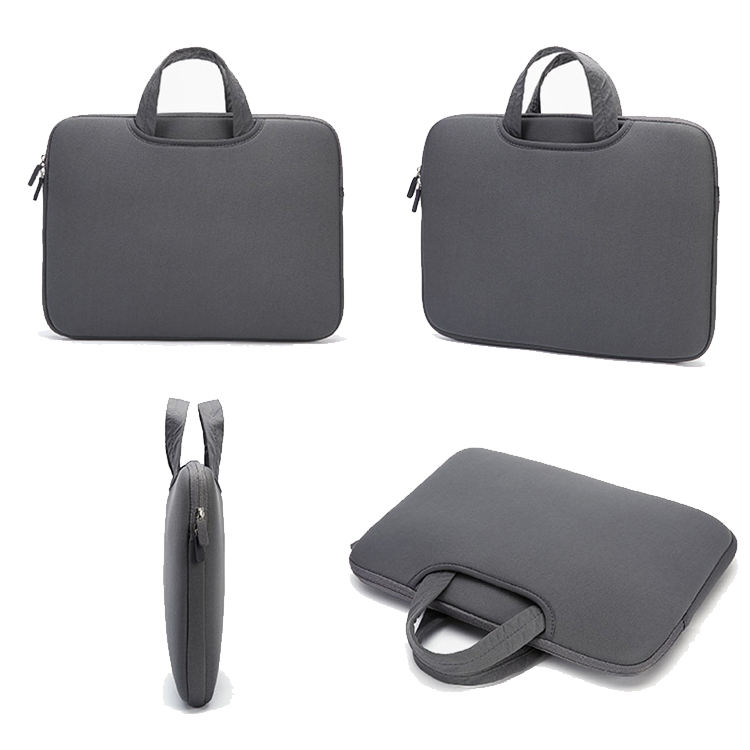
A neoprene laptop bag serves as essential protection for business travelers, remote workers, and technology professionals who move between locations regularly. The quality of your neoprene laptop bag directly impacts how well your laptop remains shielded from impacts, moisture, and temperature fluctuations. Understanding material grades, stitching techniques, and structural integrity helps you identify a neoprene laptop bag that delivers real protection rather than false promises.
Material Quality and Neoprene Composition
Evaluating Neoprene Grades in Laptop Bags
Premium neoprene laptop bags begin with high-grade neoprene sourcing. Genuine neoprene used in quality neoprene laptop bag construction typically ranges from 3mm to 7mm in thickness, with 5mm being the industry standard for optimal balance between protection and portability. Lower-grade neoprene laptop bag materials feel thin, brittle, or overly flexible, whereas premium neoprene maintains consistent density and firmness across the entire surface. Manufacturers of superior neoprene laptop bags use closed-cell neoprene that resists moisture absorption while maintaining flexibility and cushioning properties.
Identifying Genuine Versus Counterfeit Neoprene
Authentic neoprene laptop bag materials exhibit uniform coloring without visible discoloration, patchy areas, or chemical odors that indicate poor-quality formulations. When examining a neoprene laptop bag, genuine material feels smooth and consistent when pressed, whereas inferior neoprene laptop bag materials may feel grainy, uneven, or slightly sticky. Premium neoprene laptop bags often include fabric lining on the interior that appears well-attached and professionally finished, rather than loose or adhesive that has degraded. The weight of a quality neoprene laptop bag should feel substantial but not excessively heavy, indicating proper material density without unnecessary bulk.
Stitching Quality and Construction Methods
Evaluating Seam Patterns in Neoprene Laptop Bags
Superior neoprene laptop bag construction features reinforced stitching patterns visible along all seams, edges, and attachment points. When inspecting a neoprene laptop bag, look for straight, evenly-spaced stitches that follow consistent lines without gaps or irregular spacing. Premium neoprene laptop bags typically employ double-stitched or triple-stitched seams along stress points where handles attach, zippers mount, or side panels connect to the main body. The thread color in quality neoprene laptop bags should match or complement the neoprene material, and thread tension should be uniform without puckering or loose loops visible on either interior or exterior surfaces.
Thread Quality and Durability Indicators
Durable neoprene laptop bag construction uses high-tenacity polyester or nylon thread rated for extended wear and repeated stress. Examine the neoprene laptop bag stitching closely to confirm thread thickness and color consistency; thin, lightweight thread in a neoprene laptop bag indicates likely early failure under normal use. When you pull gently on seams in a quality neoprene laptop bag, the thread should not slip or separate from the neoprene material, and the seam should not flex or gap. Premium neoprene laptop bags often feature sealed or reinforced edges that prevent thread from unraveling, a detail that distinguishes professional manufacturing from budget alternatives.
Additional Construction and Protection Features
Zipper Quality and Hardware Integration
A premium neoprene laptop bag incorporates heavy-duty zippers with robust slider mechanisms that glide smoothly without resistance or grinding sounds. Quality neoprene laptop bag zippers typically feature metal rather than plastic components, and the neoprene laptop bag design includes reinforced zipper housings that prevent the zipper from separating during normal operation. Test the zipper on any neoprene laptop bag you consider by moving it along the full track; premium zippers in a neoprene laptop bag should operate smoothly in both directions without jamming or misalignment.
Cushioning and Impact Protection Design
Superior neoprene laptop bags include internal cushioning layers or padding that distribute impact force across the entire case surface. When assessing a neoprene laptop bag, check whether internal compartments feature additional padding or structured dividers that keep your laptop centered and stable during transport. Premium neoprene laptop bag designs incorporate corner reinforcements that absorb shock and prevent the neoprene laptop bag from deforming under pressure or repeated handling. The structural integrity of the neoprene laptop bag should maintain consistent shape and dimension even when packed with accessories, indicating proper material quality and construction methodology.
FAQ
What thickness of neoprene indicates a quality laptop bag?
Premium neoprene laptop bag materials typically measure between 4mm and 7mm in thickness, with 5mm representing the optimal standard for laptop protection and portability balance. Thicker neoprene does not always indicate superior quality; excessive thickness can add unnecessary weight without proportional protection benefits. Quality neoprene laptop bag manufacturers select thickness based on intended use case and device size rather than defaulting to maximum thickness.
How can I verify that stitching in a neoprene laptop bag will last?
Examine seams in a neoprene laptop bag for consistent stitch spacing, typically 2–4 stitches per inch in quality construction. Premium neoprene laptop bags feature multiple stitching passes along stress points, and the thread should not pull free when you apply gentle tension. Check that the neoprene laptop bag stitching remains tight and uniform across the entire surface without skipped stitches, loose loops, or irregular patterns.
Should I choose a neoprene laptop bag with internal padding?
Yes, quality neoprene laptop bags typically include additional internal padding or cushioning layers that provide enhanced shock absorption beyond the neoprene material itself. Premium neoprene laptop bag designs often feature foam layers, air-cell cushioning, or structured compartments that stabilize your device and distribute impact force more effectively. Internal padding in a neoprene laptop bag reduces vibration during transport and provides extra reassurance for high-value technology equipment.