 EN
EN


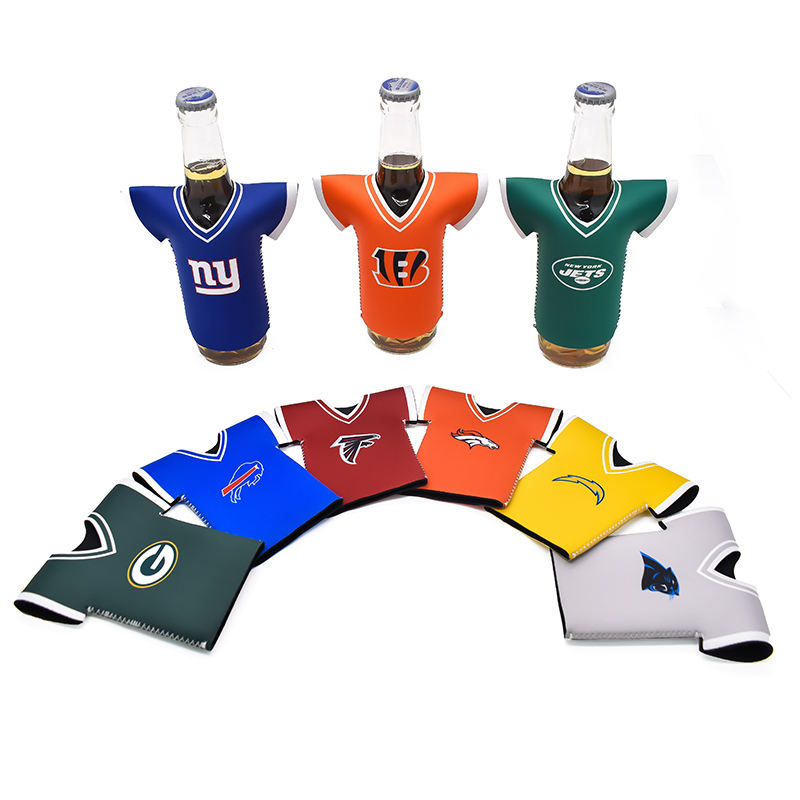
A high-quality beer can cooler sleeve is far more than a simple fabric wrapper. The engineering behind professional beer can cooler sleeves involves multiple layers of insulation, material science, and thoughtful design that work together to maintain beverage temperature while providing durability and comfort. Understanding these insulation secrets helps you appreciate why premium beer can cooler sleeves deliver better performance and longevity than basic alternatives.
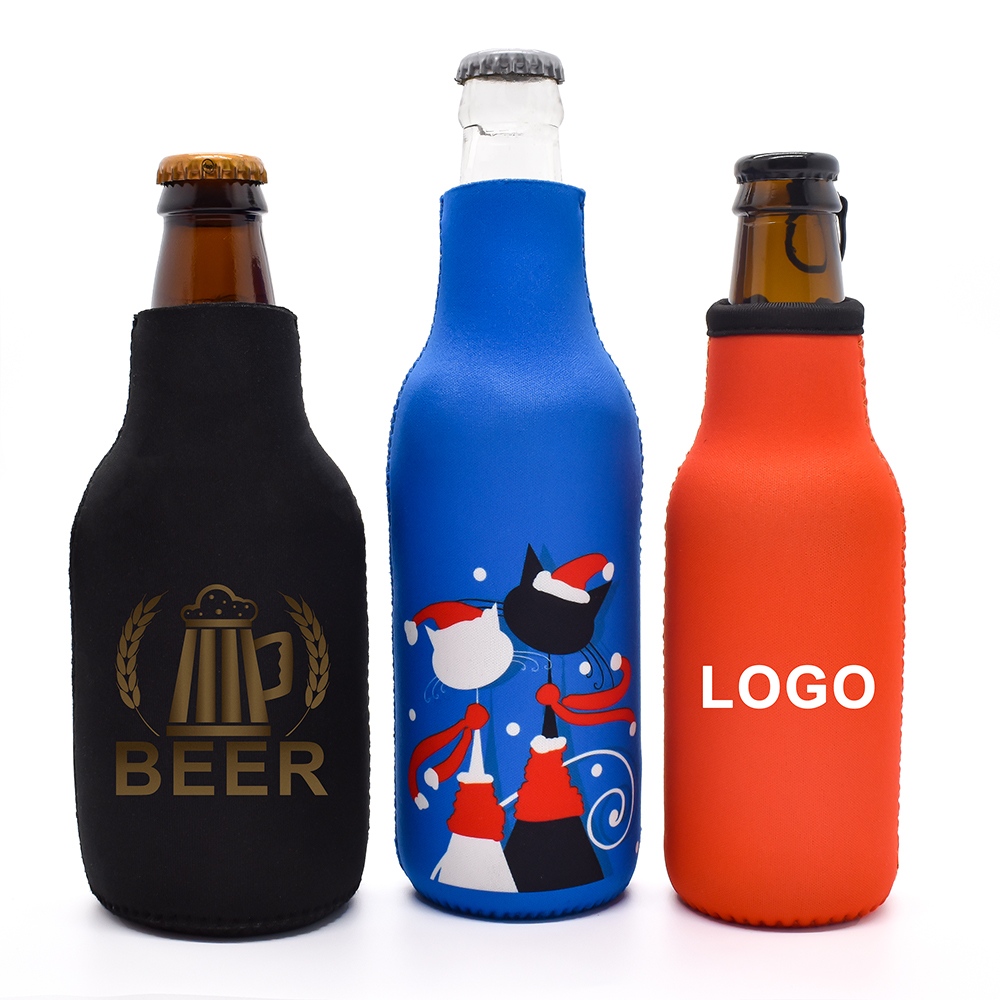
Professional beer can cooler sleeves are engineered solutions that address a fundamental problem: heat transfer. When your hand wraps around a cold beverage container, thermal energy naturally flows from your warmer skin to the cold liquid inside, causing it to warm faster. A beer can cooler sleeve acts as a thermal barrier, slowing this heat exchange process significantly. The difference between consumer-grade and professional-grade beer can cooler sleeves lies in material selection, wall thickness, and construction methodology.
Core Insulation Materials and Their Properties
Neoprene as the Primary Insulation Layer
Neoprene stands as the industry standard for professional beer can cooler sleeves because of its exceptional insulation properties and durability. This synthetic rubber material contains numerous tiny air pockets that trap heat and prevent thermal transfer. A quality beer can cooler sleeve typically uses 3–5mm thickness of neoprene, which provides the optimal balance between insulation effectiveness and practical usability. Thicker neoprene in a beer can cooler sleeve offers better temperature retention but reduces flexibility, while thinner versions sacrifice thermal performance. Professional manufacturers select neoprene grades specifically for beverage insulation because the material resists moisture, doesn't degrade from condensation exposure, and maintains its structural integrity through repeated use and washing cycles.
Complementary Insulating Materials
Advanced beer can cooler sleeve designs layer neoprene with additional materials to enhance performance. Polyester outer shells provide structural support, moisture resistance, and durability against wear and tear. Many professional beer can cooler sleeves incorporate foam or felt inner linings that serve dual purposes: they add thermal resistance while also protecting the beverage container from scratching and providing additional cushioning. Some premium beer can cooler sleeve options feature reflective or metallic inner linings that reduce radiant heat transfer, a property that proves particularly valuable in direct sunlight. The combination of these materials in a beer can cooler sleeve creates a multi-layer thermal barrier system that outperforms single-material alternatives.
Design Features That Maximize Cooling Efficiency
Sealing and Closure Mechanisms
The way a beer can cooler sleeve closes around a beverage container significantly impacts its insulation effectiveness. Professional beer can cooler sleeves employ various closure systems: velcro straps, neoprene overlaps, or custom-fitted designs that minimize air gaps. These closures matter because any gap in the beer can cooler sleeve allows cold air to escape and warm air to enter, compromising the entire insulation system. A tightly sealed beer can cooler sleeve maintains consistent internal temperature far longer than loosely fitted alternatives. The overlap design in many professional beer can cooler sleeves creates a double-layer thermal barrier at the closure point, preventing thermal short-circuits where cold air can leak out or heat can bypass the insulation entirely.
Wall Thickness and Density Optimization
The thickness of a beer can cooler sleeve directly correlates with its insulation capacity, but the material density matters equally. A beer can cooler sleeve made from compressed, high-density neoprene outperforms one with the same thickness but lower density because the air pockets are smaller and more numerous, reducing convection currents within the material. Professional manufacturers control the compression process during beer can cooler sleeve production to achieve consistent density throughout the wall. This precision manufacturing ensures that every beer can cooler sleeve maintains uniform thermal resistance across its entire surface, eliminating cold spots where heat transfer might occur more rapidly. The resulting beer can cooler sleeve provides predictable, reliable cooling performance across all use scenarios.
Performance Testing and Validation Standards
Thermal Retention Benchmarking
Professional beer can cooler sleeve manufacturers conduct rigorous thermal testing to validate insulation performance claims. These tests typically measure temperature retention over specific time intervals, such as how long a beer can cooler sleeve keeps a beverage at drinking temperature in ambient conditions of 75–85 degrees Fahrenheit. A quality beer can cooler sleeve maintains beverage temperature within acceptable ranges for 45–60 minutes or longer, depending on the starting temperature and external conditions. Uninsulated containers lose temperature in 15–20 minutes under identical conditions, making the comparison stark. Professional testing of a beer can cooler sleeve accounts for factors including initial beverage temperature, surrounding air temperature, direct sunlight exposure, and wind conditions, providing realistic performance data that consumers can use to evaluate different beer can cooler sleeve options.
Durability and Longevity Assessment
A beer can cooler sleeve's insulation effectiveness diminishes if the material degrades over time. Professional quality standards evaluate how a beer can cooler sleeve performs after repeated use cycles, washing, UV exposure, and exposure to cleaning chemicals. Premium materials in a beer can cooler sleeve resist color fading, material breakdown, and loss of structural integrity that could compromise the seal. Testing protocols for a beer can cooler sleeve include measuring thermal performance before and after extended use periods, ensuring that the insulation remains effective throughout the product's intended lifespan. A well-engineered beer can cooler sleeve maintains at least 90 percent of its original thermal performance after two years of regular use, distinguishing it from inferior products that degrade rapidly.
Practical Application and Selection Guidance
Matching Beer Can Cooler Sleeves to Use Scenarios
Different situations require different beer can cooler sleeve specifications. For outdoor events, beach trips, or picnics in direct sunlight, a beer can cooler sleeve with reflective inner linings and maximum wall thickness delivers superior performance. Indoor events or brief social gatherings might require a beer can cooler sleeve with moderate insulation and prioritized comfort and design aesthetics. Professional beer can cooler sleeves designed for high-temperature outdoor environments incorporate additional UV-resistant outer materials that protect the insulation layer from sun damage. The most versatile beer can cooler sleeve balances insulation performance with practical considerations like weight, flexibility, and ease of cleaning, ensuring it functions well across multiple use contexts rather than optimizing for a single narrow application.
Custom Considerations and Personalization
Many professionals select custom beer can cooler sleeve options that combine technical insulation advantages with branded or personalized designs. A professional-grade beer can cooler sleeve accommodates custom printing or embroidery while maintaining insulation integrity, provided the customization process doesn't compromise material layers or sealing mechanisms. The beer can cooler sleeve options available from quality manufacturers include customizable designs that preserve the thermal barrier while adding visual distinction. When selecting a beer can cooler sleeve for business purposes, ensure that any customization maintains the multi-layer insulation structure and that the embroidery or printing doesn't create punctures or gaps that would reduce insulation effectiveness.
FAQ
What makes a beer can cooler sleeve insulate better than wrapping a beverage in cloth?
A professional beer can cooler sleeve uses engineered insulation materials like neoprene specifically designed to trap air and prevent heat transfer, whereas standard cloth primarily provides modest thermal resistance. The multi-layer construction of a beer can cooler sleeve, including outer protective shells and inner thermal barriers, creates a complete thermal system that cloth cannot replicate. Additionally, a beer can cooler sleeve's closed sealing system prevents air circulation that would otherwise allow heat to enter and cold to escape more rapidly than with simple wrapped cloth.
How long does a beer can cooler sleeve typically keep a beverage cold?
A quality beer can cooler sleeve keeps beverages at acceptable drinking temperatures for 45–60 minutes in typical outdoor conditions of 75–85 degrees Fahrenheit, compared to 15–20 minutes for an uninsulated container. Performance varies based on starting beverage temperature, ambient conditions, direct sunlight exposure, and the specific beer can cooler sleeve's wall thickness and material composition. Premium beer can cooler sleeves with maximum insulation thickness and reflective inner linings extend this duration, while moderate beer can cooler sleeves prioritizing comfort and flexibility may perform at the lower end of this range.
Can a beer can cooler sleeve be damaged and lose its insulation properties?
Yes, physical damage to a beer can cooler sleeve such as punctures, tears, or separation of seams can compromise insulation by allowing air circulation and breaking the thermal barrier. However, a properly manufactured beer can cooler sleeve using quality neoprene and construction methods resists degradation from normal use, washing, and environmental exposure for years. To preserve a beer can cooler sleeve's insulation properties, avoid sharp objects, excessive stretching, and exposure to extreme temperatures or harsh chemicals that could damage the material layers.