 EN


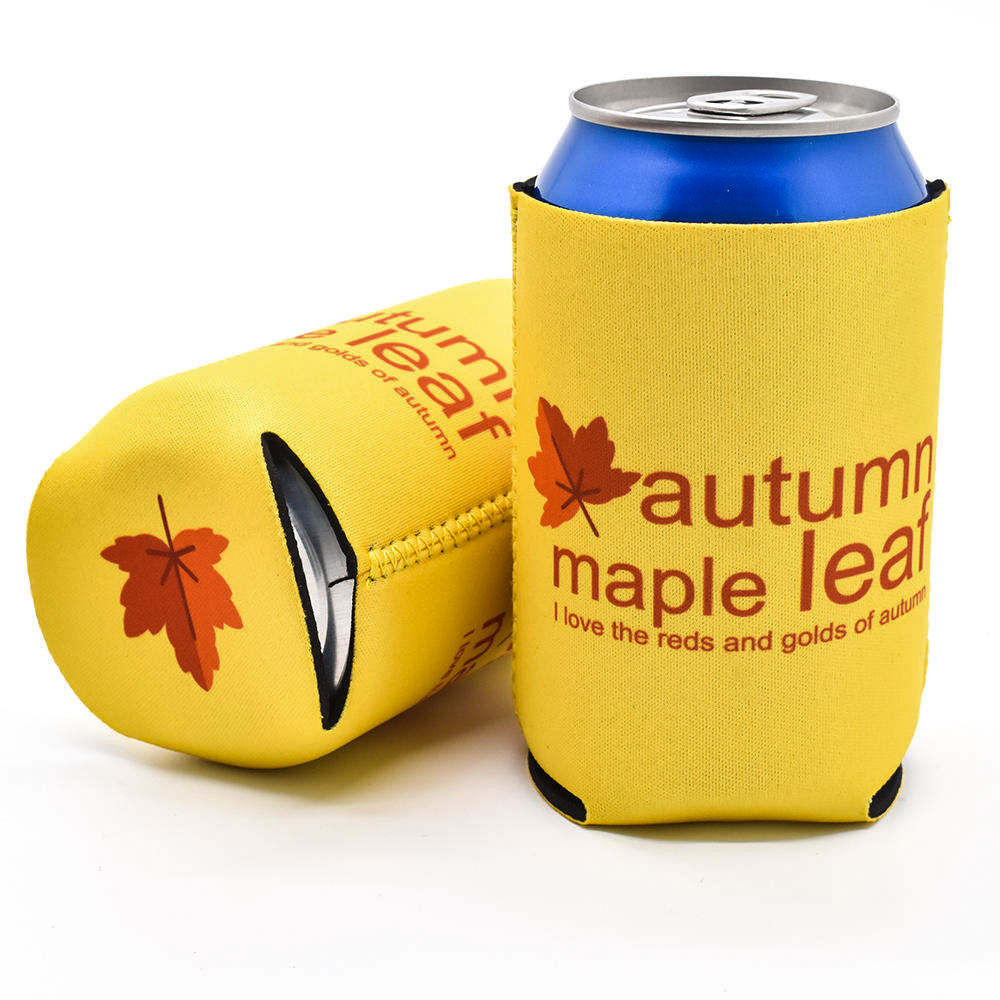
The science behind an effective insulated can cooler involves multiple layers of thermal engineering and material innovation that work together to maintain your beverage at the ideal temperature. Understanding how an insulated can cooler preserves cold temperatures helps consumers make informed purchasing decisions and maximize performance in real-world applications. Modern beverage insulation has evolved far beyond simple wrapping, incorporating advanced thermal barriers and strategic design principles that define the performance of any quality insulated can cooler.
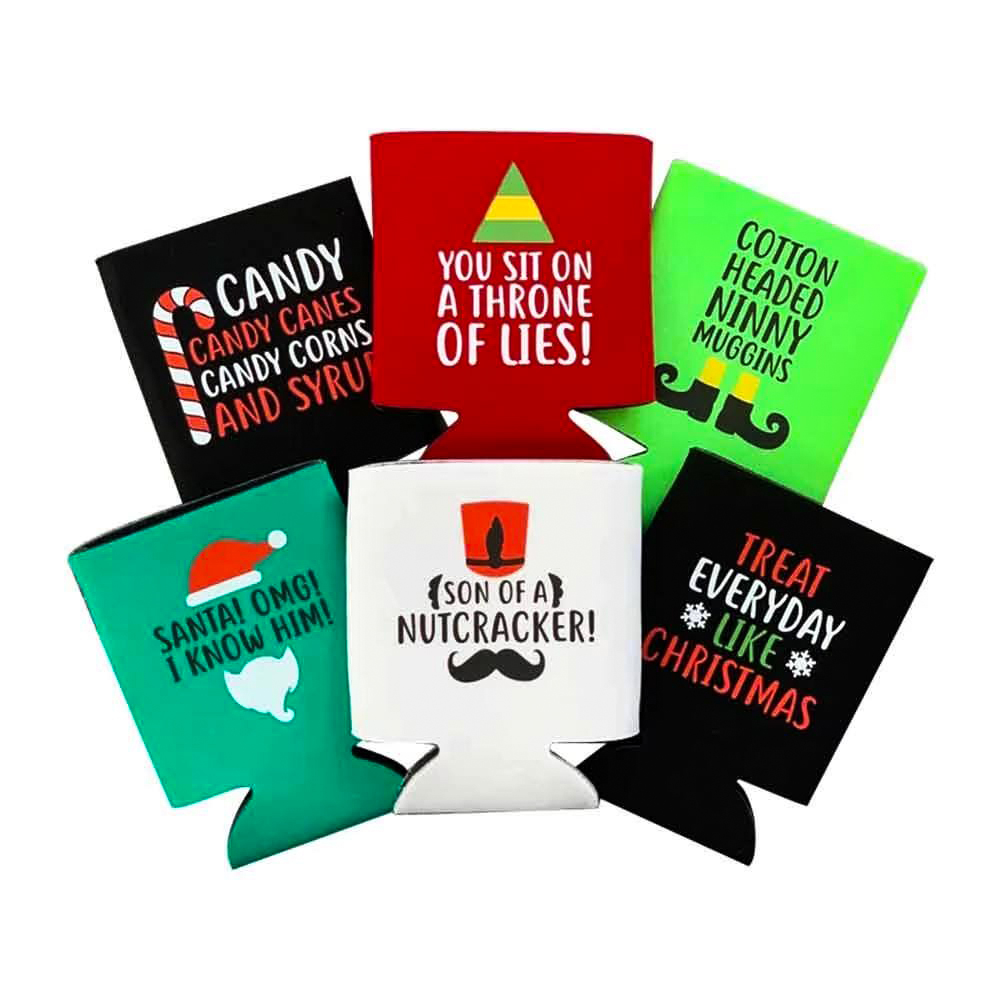
An insulated can cooler operates through fundamental thermodynamic principles that minimize heat transfer between the external environment and the cold beverage inside. The effectiveness of any insulated can cooler depends on its material composition, wall thickness, air gap design, and surface treatments. Industrial-grade insulated can cooler products demonstrate how strategic material selection and engineering can extend beverage coldness from minutes into hours, directly impacting user satisfaction and product utility in outdoor, commercial, and recreational settings.
Thermal Barrier Materials in Can Cooler Design
Neoprene and Foam Insulation Technology
The foundation of an effective insulated can cooler begins with the selection of insulating materials that trap air and resist heat conduction. Neoprene, a synthetic rubber compound, has become the industry standard for insulated can cooler construction because it provides excellent thermal resistance while maintaining durability and flexibility. The neoprene layer in an insulated can cooler typically ranges from 3 to 5 millimeters thick, creating a substantial barrier that significantly slows heat transfer into the can from warmer external air. Closed-cell foam structures within an insulated can cooler further enhance insulation by creating microscopic air pockets that prevent convection currents from forming, which would otherwise accelerate temperature loss.
Multi-Layer Insulation Strategy
Premium insulated can cooler designs employ multiple material layers to maximize thermal performance through a combination of conduction reduction and convection prevention. The inner layer of an insulated can cooler typically contacts the cold can directly, while middle layers provide the primary thermal barrier, and outer layers offer durability and moisture resistance. This three-layer construction in an insulated can cooler ensures that heat from the external environment must travel through multiple resistance points before reaching the beverage, creating exponential cooling preservation benefits. Waterproof outer coatings on an insulated can cooler serve dual purposes: protecting the underlying insulation from moisture damage while reducing evaporative cooling loss that would otherwise compromise the thermal efficiency of the insulated can cooler.
Heat Transfer Mechanisms and Prevention
Conduction Control Through Material Science
Heat conduction represents the primary mechanism by which ambient warmth penetrates an insulated can cooler, making conduction control the critical design challenge. Materials used in an insulated can cooler are specifically selected based on their thermal conductivity ratings, which measure how quickly heat moves through a substance. Low thermal conductivity materials like neoprene ensure that the temperature gradient across the walls of an insulated can cooler remains steep, with most temperature change occurring in the insulation layer rather than on the beverage surface. Increasing wall thickness in an insulated can cooler proportionally increases the distance heat must travel, creating a mathematical relationship where doubling the insulation thickness can roughly double the time required to warm the beverage.
Convection and Air Gap Engineering
The air gaps within an insulated can cooler structure represent a critical design element that prevents convection currents from accelerating heat transfer. In an insulated can cooler, closed-cell foam structures maintain fixed air pockets that cannot circulate, eliminating the convection mechanism entirely within the insulation itself. The gap between the outer wall of a can and the inner wall of an insulated can cooler sleeve must be carefully engineered to minimize air circulation while maintaining structural integrity and ease of insertion. Some advanced insulated can cooler designs incorporate evacuation or partial vacuum layers, though this remains cost-prohibitive for most consumer applications and primarily appears in specialized industrial insulated can cooler products designed for extreme temperature maintenance.
Performance Factors and Real-World Application
Environmental Variables Affecting Cooler Performance
The actual temperature retention capabilities of an insulated can cooler vary significantly based on external conditions, initial beverage temperature, and ambient humidity levels. A properly designed insulated can cooler can maintain a 40-degree Fahrenheit beverage at near-original temperature for 2 to 4 hours under typical conditions, though extreme heat or direct sunlight will shorten this timeframe considerably. The effectiveness of an insulated can cooler also depends on whether the beverage begins fully chilled or at room temperature, as the initial thermal energy differential determines the rate of temperature change. Humidity and moisture absorption into the external material of an insulated can cooler can slightly reduce insulation effectiveness, highlighting why waterproof coatings on an insulated can cooler offer functional benefits beyond water protection.
Optimization and Design Variations
Modern insulated can cooler engineering has produced specialized variations optimized for specific use cases and performance requirements. Thicker wall versions of an insulated can cooler provide extended temperature retention at the cost of slightly reduced flexibility and portability. Double-wall insulated can cooler designs incorporate an inner rigid structure and outer flexible sleeve, creating engineering advantages in both insulation and durability. Some insulated can cooler products include reflective outer surfaces that reduce radiative heat absorption from direct sunlight, adding another dimension to the multi-faceted approach to temperature retention that defines effective insulated can cooler construction.
FAQ
How long does an insulated can cooler actually keep beverages cold?
A quality insulated can cooler typically maintains beverage temperature for 2 to 4 hours under normal ambient conditions, depending on initial drink temperature, external heat, and insulation thickness. An insulated can cooler with 3mm neoprene construction generally outperforms thinner alternatives significantly. Extended duration requires starting with a thoroughly pre-chilled beverage and minimizing the insulated can cooler's exposure to direct sunlight or extreme ambient heat.
Why is neoprene the preferred material for insulated can coolers?
Neoprene excels in insulated can cooler applications because it offers low thermal conductivity, excellent durability, water resistance, and flexibility that allows the insulated can cooler to accommodate standard beverage cans comfortably. The closed-cell structure of neoprene prevents moisture absorption into the insulated can cooler insulation layer, maintaining long-term performance and preventing degradation that affects less sophisticated materials.
Can air gaps inside an insulated can cooler improve performance?
Strategic air gaps in an insulated can cooler design actually enhance insulation performance by minimizing convection heat transfer within the insulation material itself. However, an insulated can cooler with sealed, closed-cell foam structures performs better than designs with open air spaces, because closed-cell construction prevents air movement that would otherwise accelerate temperature equalization through convective circulation.