 EN
EN


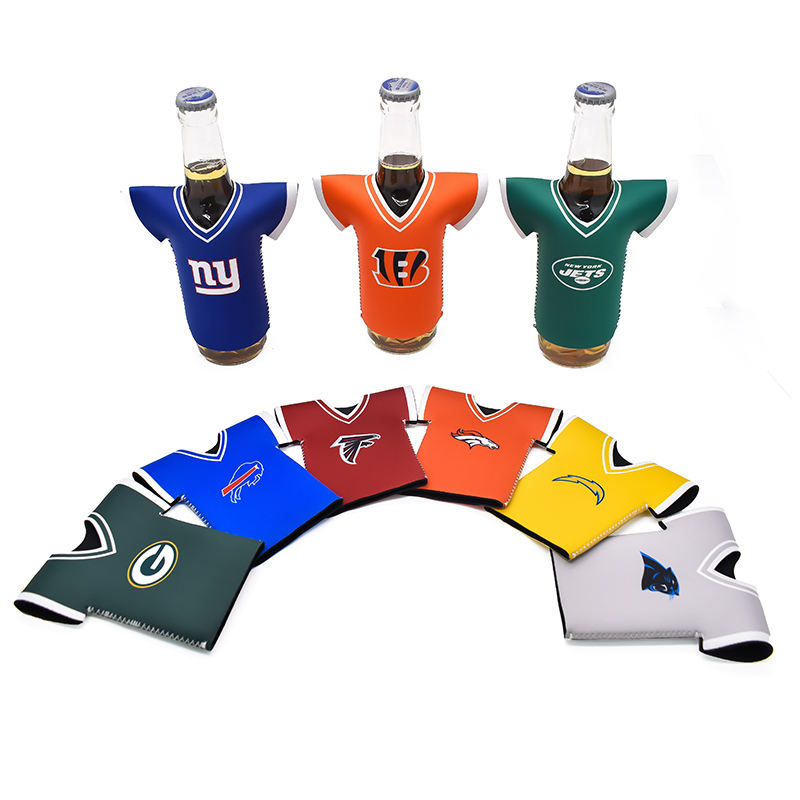
The thermal efficiency of a beer can cooler sleeve has become increasingly important for consumers seeking to extend beverage enjoyment without dilution or temperature loss. High-end beer can cooler sleeves represent a significant advancement in portable beverage insulation, combining material science with practical design to deliver measurable thermal performance. Understanding the mechanisms behind this technology helps both manufacturers and end users make informed decisions about product selection and investment value.
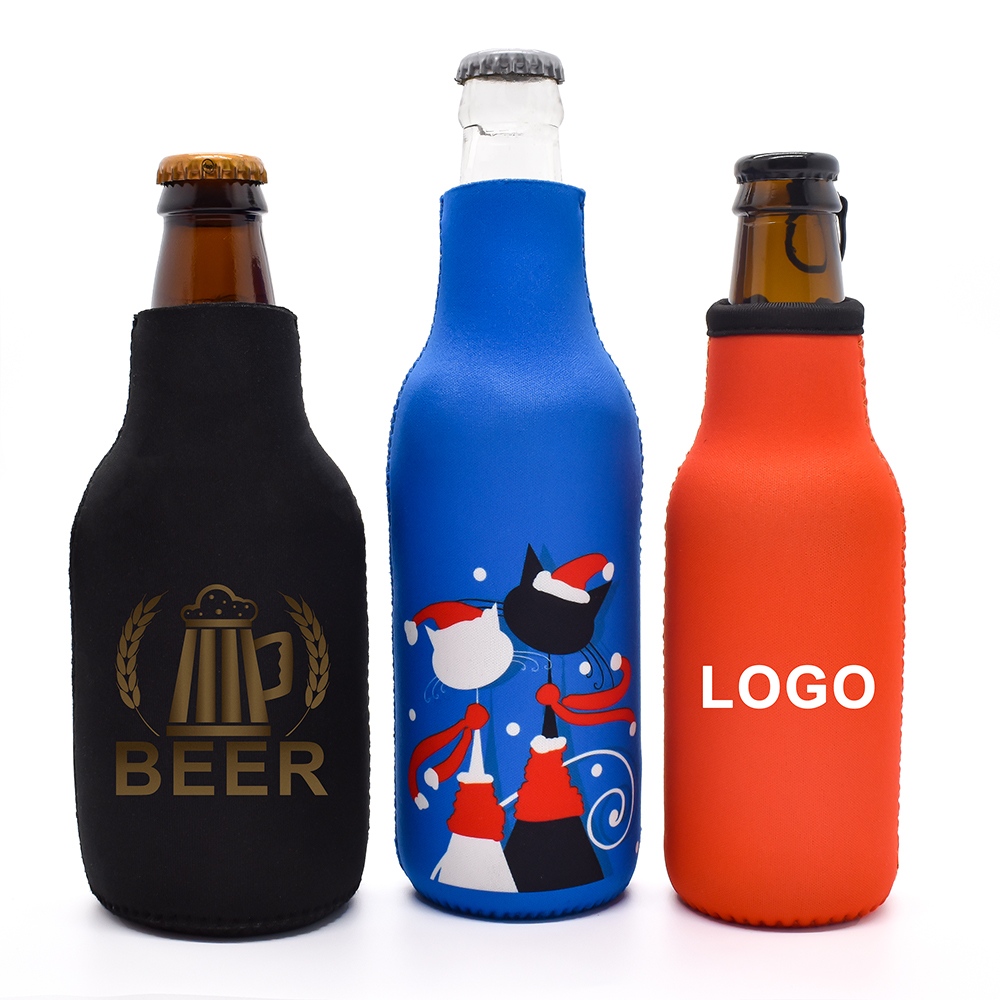
Premium beer can cooler sleeve products achieve thermal efficiency through layered construction, material selection, and engineering precision that distinguishes them from basic alternatives. The thermal performance of a beer can cooler sleeve directly impacts user satisfaction, product differentiation, and long-term brand loyalty. This comprehensive guide explores the thermal science behind high-end designs and explains how advanced beer can cooler sleeve technology maintains optimal beverage temperatures in real-world conditions.
Material Science and Insulation Performance
Neoprene and Advanced Insulation Layers
The foundation of effective beer can cooler sleeve performance lies in material selection and multi-layer construction. Neoprene, commonly used in premium beer can cooler sleeve designs, provides superior thermal resistance compared to traditional foam or single-layer alternatives. This synthetic rubber compound traps air molecules effectively, creating a thermal barrier that slows heat transfer between the external environment and the beverage inside the beer can cooler sleeve.
High-end beer can cooler sleeve products often incorporate additional insulating layers, such as reflective foil or specialized polyester blends, that work synergistically with neoprene. These supplementary materials enhance the beer can cooler sleeve's ability to reflect radiant heat while maintaining structural integrity. The combination of materials in a premium beer can cooler sleeve creates a comprehensive thermal protection system that significantly outperforms single-material designs.
Thickness and Density Optimization
Thermal resistance in a beer can cooler sleeve increases with material thickness, but diminishing returns occur beyond optimal levels. High-quality beer can cooler sleeve manufacturers balance insulation thickness against practical considerations like portability and user comfort. A premium beer can cooler sleeve typically features 5-7mm of effective insulation, providing substantial thermal resistance without excessive bulk or weight.
Material density significantly influences the thermal efficiency of any beer can cooler sleeve design. Denser neoprene compositions within a beer can cooler sleeve reduce air penetration and heat convection, extending the duration that beverages maintain desired temperatures. Advanced manufacturing processes ensure consistent density throughout the beer can cooler sleeve, eliminating weak points that could compromise overall thermal performance and durability.
Design Engineering and Heat Transfer Mitigation
Structural Fit and Contact Optimization
The thermal effectiveness of a beer can cooler sleeve depends partly on how completely it envelops the beverage container. Engineering a beer can cooler sleeve with precise internal dimensions ensures maximum contact between the insulation and the can surface, minimizing air gaps that could permit heat transfer. Poorly fitted alternatives allow convective airflow within the beer can cooler sleeve, significantly reducing thermal efficiency and defeating the purpose of insulation investment.
Premium beer can cooler sleeve designs incorporate elasticated or tapered construction that maintains snug contact throughout the beverage consumption process. This engineering approach prevents the beer can cooler sleeve from shifting or separating from the container, which would create insulating air pockets and reduce thermal performance. Consistent internal contact throughout the beer can cooler sleeve lifespan ensures sustained temperature maintenance.
Thermal Bridge Elimination
Thermal bridges—pathways where heat conducts more readily than through surrounding insulation—represent a critical design challenge in beer can cooler sleeve engineering. High-end beer can cooler sleeve products minimize thermal bridges through careful material placement and seam construction. Strategic design placement of structural elements within the beer can cooler sleeve prevents these conductive pathways from significantly impacting overall thermal performance.
The bottom closure mechanism of a beer can cooler sleeve demands particular attention to thermal bridge prevention. A superior beer can cooler sleeve incorporates insulating closures rather than conductive fasteners that could draw heat toward the beverage base. Advanced beer can cooler sleeve designs use integrated thermal barriers at closure points, ensuring that no single area becomes a weakness in the overall insulation strategy.
Thermal Performance Measurement and Real-World Conditions
Testing Protocols and Performance Standards
Manufacturers of high-end beer can cooler sleeve products employ standardized thermal testing to validate performance claims. These tests measure the rate at which a beer can cooler sleeve containing a temperature-controlled liquid loses heat over specific time intervals in controlled environments. A quality beer can cooler sleeve maintains beverage temperature within 2-3 degrees Celsius over two to three hours in moderate ambient conditions, significantly outperforming basic alternatives.
The thermal resistance rating of a beer can cooler sleeve indicates its insulation capacity under laboratory conditions, but real-world performance may vary based on external factors. Premium beer can cooler sleeve products designed for extended outdoor use demonstrate consistent thermal efficiency across varying environmental scenarios. Testing a beer can cooler sleeve under actual application conditions provides more meaningful performance insights than laboratory measurements alone.
Environmental Factors Influencing Thermal Efficiency
A beer can cooler sleeve's thermal performance varies depending on ambient temperature, solar radiation, humidity, and wind exposure. High-quality beer can cooler sleeve construction accounts for these variables, incorporating reflective surfaces and UV-resistant materials that enhance performance in challenging outdoor conditions. The thermal efficiency of a beer can cooler sleeve improves when external air temperatures are cooler and solar exposure remains minimal.
Wind and physical movement affect how a beer can cooler sleeve maintains thermal integrity during active use. Premium beer can cooler sleeve designs incorporate secure fastening mechanisms and reinforced construction that prevent shifting or separation during handling. This engineering ensures that a beer can cooler sleeve's insulation remains optimally positioned regardless of movement, maintaining consistent thermal protection throughout beverage consumption.
FAQ
How does material thickness impact beer can cooler sleeve thermal performance?
Thicker insulation in a beer can cooler sleeve provides greater thermal resistance, but manufacturers balance thickness against practical usability. A high-end beer can cooler sleeve typically features 5-7mm of insulation that delivers significant thermal efficiency without excessive bulk. Beyond this range, improvements in a beer can cooler sleeve's thermal performance diminish substantially while weight and portability concerns increase, making this thickness range optimal for premium designs.
Can a beer can cooler sleeve maintain beverage temperature in hot weather?
A beer can cooler sleeve significantly slows heat transfer but cannot prevent it entirely in extreme heat. Premium beer can cooler sleeve products perform best when pre-chilled and used in moderate conditions where external temperatures remain below 30 degrees Celsius. For maximum effectiveness, a beer can cooler sleeve should be paired with initially cold beverages, as the insulation extends cooling duration rather than actively creating cold temperature. In extreme heat, even a high-quality beer can cooler sleeve requires periodic beverage replacement or supplementary cooling.
What distinguishes premium beer can cooler sleeve products from basic alternatives?
Premium beer can cooler sleeve products incorporate superior materials like high-density neoprene, optimized insulation thickness, reflective layers, and engineering that minimizes thermal bridges. These features work together to deliver measurably superior thermal efficiency compared to thin foam or single-layer alternatives. A quality beer can cooler sleeve also includes reinforced construction, durable fastening systems, and design refinements that extend product lifespan and maintain consistent performance through repeated use cycles.