 EN
EN


Summer brings countless opportunities for outdoor gatherings, beach trips, and backyard barbecues where keeping beverages at the perfect temperature becomes essential. An insulated can cooler serves as the ultimate companion for maintaining your drinks refreshingly cold throughout extended periods in hot weather. These versatile accessories have evolved from simple foam sleeves to sophisticated thermal barriers that combine functionality with style, making them indispensable for outdoor enthusiasts and casual users alike.
The science behind effective temperature retention lies in advanced insulation technology that creates multiple barriers against heat transfer. Modern insulated can cooler designs incorporate materials specifically engineered to maintain beverage temperatures for hours rather than minutes. Understanding these technological foundations helps consumers make informed decisions when selecting the perfect cooling solution for their specific needs and usage patterns.
Understanding Insulation Technology for Beverage Cooling
Material Science Behind Effective Temperature Control
Neoprene stands as the gold standard material for premium insulated can cooler construction due to its exceptional thermal properties and durability characteristics. This synthetic rubber material features closed-cell foam structure that traps air molecules, creating an effective barrier against external temperature fluctuations. The molecular composition of neoprene allows it to maintain flexibility across wide temperature ranges while providing consistent insulation performance that surpasses traditional materials.
Alternative materials like polyurethane foam and reflective lining systems offer varying degrees of thermal protection, each with distinct advantages depending on intended applications. Polyurethane provides excellent insulation density but may lack the durability required for frequent outdoor use. Reflective barriers work by deflecting radiant heat but require proper sealing to maintain effectiveness. Understanding these material differences enables consumers to select an insulated can cooler that matches their specific performance requirements and budget considerations.
Heat Transfer Mechanisms and Thermal Barriers
Effective insulated can cooler design addresses three primary heat transfer methods: conduction, convection, and radiation. Conduction occurs when heat moves through direct contact between materials, requiring dense insulation layers to minimize thermal bridging. Convection involves heat transfer through air movement, necessitating sealed construction that prevents air circulation around the beverage container.
Radiation heat transfer happens when thermal energy moves through electromagnetic waves, making reflective surfaces and light-colored exteriors valuable features in quality insulated can cooler products. Premium designs incorporate multiple thermal barriers that work synergistically to combat all three heat transfer mechanisms simultaneously. This comprehensive approach ensures maximum temperature retention performance regardless of environmental conditions or exposure duration.
Essential Features for Durability and Performance
Construction Quality and Seam Integrity
Seam construction represents a critical factor determining the longevity and effectiveness of any insulated can cooler system. Reinforced stitching techniques using heavy-duty thread materials prevent separation under stress while maintaining thermal integrity over extended use periods. Double-stitched seams with sealed edges create moisture barriers that protect internal insulation materials from degradation caused by condensation or external moisture exposure.
Heat-sealed seams offer superior protection compared to traditional stitching methods, eliminating potential thermal bridges that could compromise insulation performance. Quality manufacturers employ specialized bonding techniques that create permanent molecular bonds between material layers. These advanced construction methods ensure that your insulated can cooler maintains consistent performance characteristics throughout years of regular use, making the initial investment worthwhile for serious outdoor enthusiasts.
Closure Systems and Fit Optimization
Proper closure mechanisms ensure optimal thermal performance by eliminating air gaps that could compromise insulation effectiveness. Adjustable drawstring systems accommodate various can sizes while maintaining snug contact between the cooler and beverage container. Velcro closures provide quick access but may lose adhesion over time, while zipper systems offer superior sealing but require more careful maintenance to prevent failure.
Elastic bottom construction creates secure can retention while allowing easy insertion and removal of beverages. The ideal insulated can cooler balances accessibility with thermal sealing, ensuring users can quickly access their beverages without compromising temperature retention performance. Testing different closure types under various conditions helps identify the most suitable option for specific use patterns and environments.
Size Compatibility and Versatility Considerations
Standard Can Sizes and Universal Fit Solutions
Modern beverage containers come in numerous sizes and shapes, making versatility a crucial consideration when selecting an insulated can cooler. Standard 12-ounce aluminum cans represent the most common size, but slim cans, tall boys, and bottle configurations require different accommodation strategies. Stretchable materials like neoprene naturally adapt to various container dimensions while maintaining effective thermal contact and insulation performance.
Universal-fit designs incorporate adjustable elements that accommodate multiple container types without compromising insulation effectiveness. These versatile solutions often feature expandable construction or modular components that adapt to different beverage sizes. Investing in a high-quality insulated can cooler with universal compatibility eliminates the need for multiple specialized products while ensuring optimal performance across diverse beverage types and container configurations.
Specialty Applications and Custom Requirements
Professional outdoor activities and specialized applications may require customized insulated can cooler solutions that address specific environmental challenges or usage patterns. Marine environments demand corrosion-resistant materials and enhanced sealing to withstand saltwater exposure and high humidity conditions. Industrial applications might require flame-resistant materials or specialized mounting systems for integration with equipment or workstations.
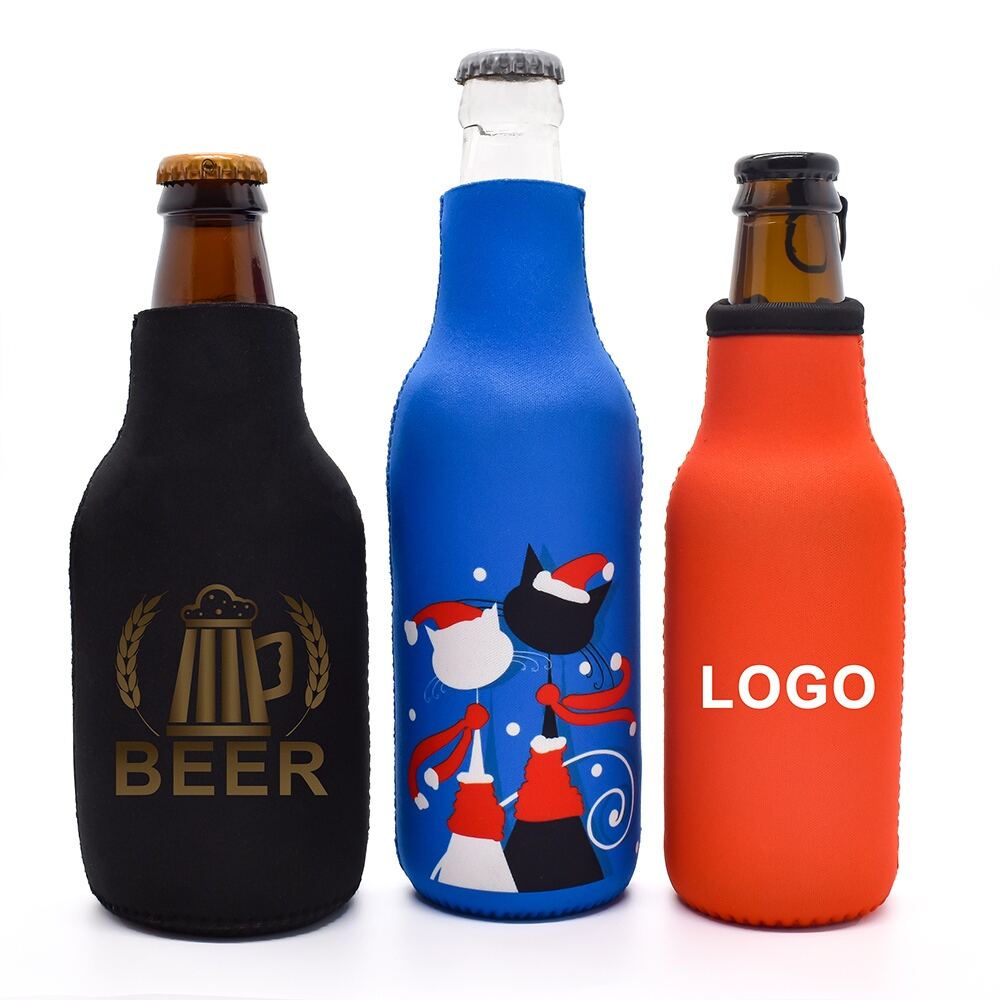
Custom printing and branding options transform functional insulated can cooler products into promotional tools or personal expression items. High-quality printing techniques ensure graphics remain vibrant and intact despite repeated exposure to moisture, UV radiation, and mechanical stress. These personalization options make insulated can cooler products suitable for corporate events, promotional campaigns, or personalized gifts while maintaining full thermal performance capabilities.
Maintenance and Care for Longevity
Cleaning Protocols and Hygiene Management
Regular cleaning maintains both hygiene standards and insulation performance in quality insulated can cooler products. Hand washing with mild detergent and warm water removes accumulated residue without damaging delicate insulation materials or protective coatings. Avoid harsh chemicals or abrasive cleaning agents that could degrade material properties or compromise thermal effectiveness over time.
Thorough drying prevents mold and mildew growth while preserving material integrity and insulation performance. Air drying in well-ventilated areas allows moisture to evaporate completely from internal spaces and seam areas. Machine washing may be acceptable for some insulated can cooler designs, but always verify manufacturer recommendations to prevent damage to specialized materials or construction elements that ensure optimal thermal performance.
Storage and Preservation Strategies
Proper storage techniques extend the functional lifespan of insulated can cooler products while maintaining peak performance characteristics. Store in cool, dry locations away from direct sunlight to prevent UV degradation of exterior materials and color fading. Avoid compression storage that could permanently deform insulation materials or compromise thermal barriers that ensure effective temperature control.
Periodic inspection identifies potential issues before they become performance-limiting problems, allowing for preventive maintenance or timely replacement decisions. Check seam integrity, closure functionality, and material condition regularly to ensure your insulated can cooler continues delivering optimal thermal protection. These simple maintenance practices maximize return on investment while ensuring reliable performance throughout the product's intended service life.
Environmental Impact and Sustainability Factors
Material Sourcing and Manufacturing Considerations
Sustainable manufacturing practices increasingly influence insulated can cooler production, with eco-friendly materials and processes gaining prominence among environmentally conscious consumers. Recycled neoprene and bio-based foam alternatives reduce environmental impact without compromising thermal performance or durability characteristics. Responsible manufacturers implement closed-loop production systems that minimize waste generation and energy consumption during manufacturing processes.
Carbon footprint considerations extend beyond material selection to include transportation, packaging, and end-of-life disposal factors that affect overall environmental impact. Local sourcing reduces transportation emissions while supporting regional economies and reducing supply chain vulnerabilities. Selecting an insulated can cooler from manufacturers committed to sustainable practices aligns purchase decisions with environmental values while ensuring access to quality products that meet performance expectations.
Lifecycle Assessment and Disposal Planning
Quality insulated can cooler products designed for longevity reduce overall environmental impact by eliminating frequent replacement cycles and associated resource consumption. Durable construction materials and superior manufacturing techniques create products that provide years of reliable service, maximizing resource utilization efficiency. This longevity approach proves more environmentally responsible than purchasing multiple lower-quality alternatives that require frequent replacement.
End-of-life disposal planning becomes increasingly important as environmental awareness grows and regulations evolve around synthetic material disposal. Some insulated can cooler materials can be recycled through specialized programs, while others may require alternative disposal methods to minimize environmental impact. Understanding these disposal options helps consumers make informed decisions that align with their environmental values while enjoying the practical benefits of effective beverage cooling technology.
FAQ
How long can an insulated can cooler keep beverages cold
A high-quality insulated can cooler typically maintains beverage temperatures for 2-4 hours in moderate conditions, with premium neoprene designs extending this period to 6 hours or more in optimal circumstances. Performance duration depends on ambient temperature, direct sunlight exposure, initial beverage temperature, and the quality of insulation materials used in construction. Pre-chilling the insulated can cooler before use can significantly extend temperature retention periods.
Can insulated can coolers be used for hot beverages
Yes, insulated can cooler products work effectively for both hot and cold beverages by preventing heat transfer in either direction. The same thermal barrier technology that keeps cold drinks cool also maintains hot beverages at elevated temperatures for extended periods. However, always verify temperature ratings with manufacturers to ensure materials can safely handle the intended hot beverage temperatures without degradation or safety concerns.
What size insulated can cooler works best for different beverages
Standard 12-ounce cans work best with regular-fit insulated can cooler designs, while slim cans and tall boys require specialized or adjustable configurations for optimal thermal contact. Universal-fit designs with stretchable materials accommodate multiple container sizes effectively, making them ideal for users who enjoy various beverage types. Bottle-specific insulated can cooler products provide superior performance for wine bottles and specialty beverage containers that differ significantly from standard can dimensions.
How do you clean and maintain an insulated can cooler properly
Hand washing with mild soap and warm water provides the safest cleaning method for most insulated can cooler materials, followed by thorough air drying to prevent mold growth. Avoid harsh chemicals, bleach, or abrasive cleaning tools that could damage insulation materials or protective coatings. Regular inspection of seams, closures, and material condition helps identify maintenance needs before they compromise thermal performance or structural integrity.