 EN
EN


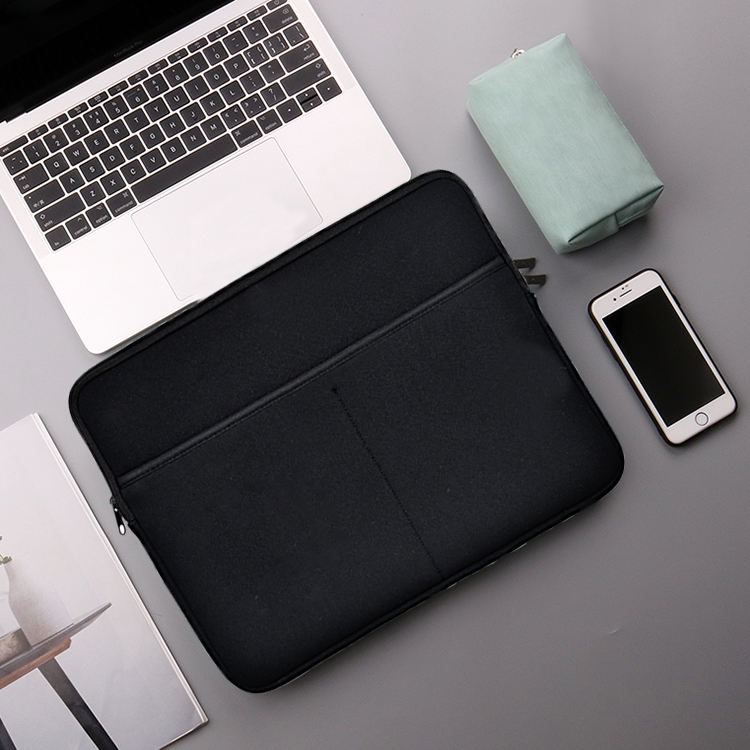
The neoprene mouse pad has become increasingly essential in modern office environments where ergonomic design directly impacts employee productivity and health. As professionals spend eight or more hours daily at their desks, the choice of workspace accessories significantly influences comfort levels and long-term physical wellbeing. A neoprene mouse pad offers far more than basic mouse tracking functionality; it represents a strategic investment in workspace ergonomics that addresses real pain points associated with prolonged computer use.
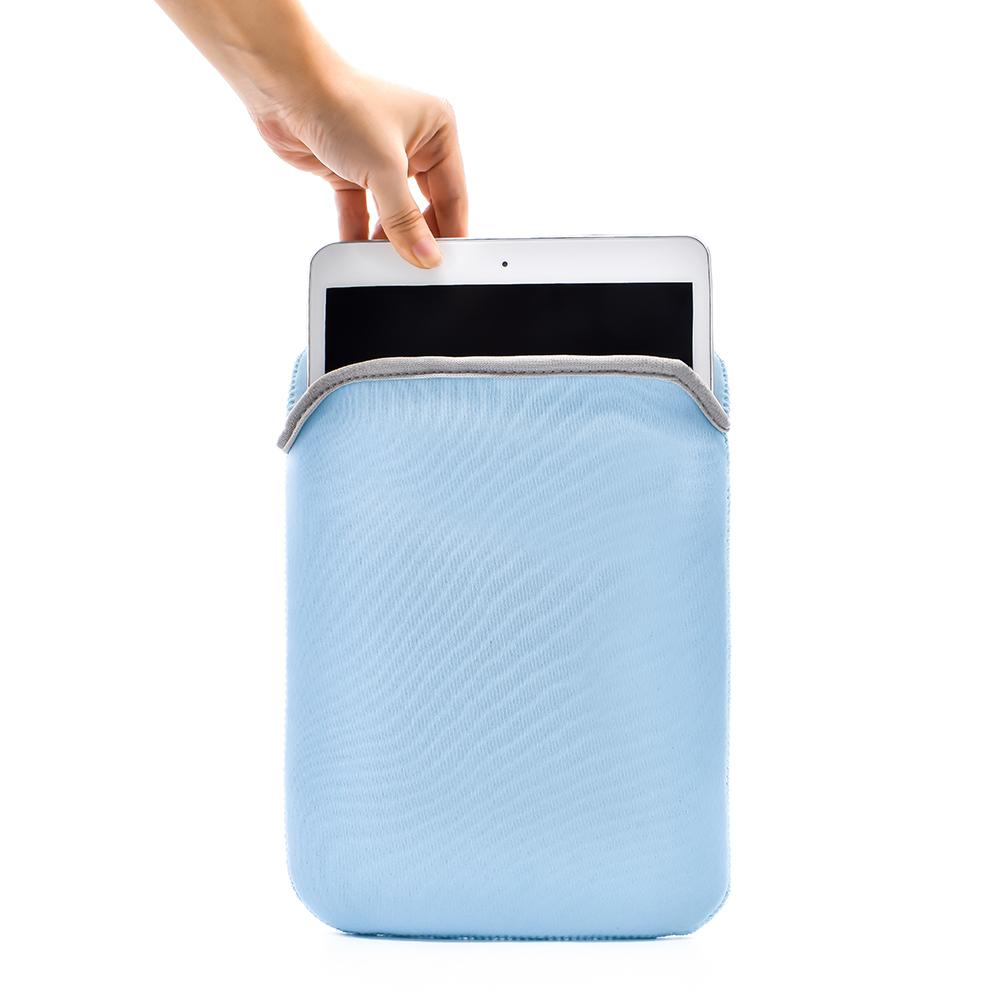
The neoprene mouse pad stands out in the ergonomic accessories market because it combines superior material properties with practical functionality. Unlike thin plastic alternatives, a neoprene mouse pad provides cushioning that reduces wrist strain during extended work sessions. Organizations increasingly recognize that investing in quality ergonomic products, including the neoprene mouse pad, directly reduces worker compensation claims and improves retention rates.
Material Benefits of Neoprene Mouse Pad Technology
Cushioning and Wrist Support Properties
The neoprene mouse pad excels at providing optimal cushioning through its unique cellular structure. Neoprene material naturally compresses under pressure while maintaining its shape, ensuring that a neoprene mouse pad adapts to individual wrist contours and movement patterns. This adaptive support mechanism means users experience consistent comfort regardless of their hand size or grip style, making the neoprene mouse pad suitable for diverse workforce demographics.
Wrist rest surfaces on a neoprene mouse pad reduce the pressure points that cause repetitive strain injury. When comparing the neoprene mouse pad against standard fabric or plastic alternatives, the difference in comfort becomes immediately apparent during daily use. The thickness consistency of quality neoprene mouse pad products ensures that support remains uniform across the entire surface, preventing the uneven wear that degrades cheaper alternatives.
Durability and Long-Term Value
A neoprene mouse pad resists fading, cracking, and material degradation far better than conventional options. The neoprene mouse pad maintains its structural integrity through thousands of hours of use, making it a cost-effective choice for organizations that calculate total cost of ownership. Unlike foam-based products that deteriorate within months, a neoprene mouse pad can serve reliably for several years, justifying its higher initial investment.
Surface texture on a neoprene mouse pad remains stable and predictable throughout its lifespan. The neoprene mouse pad resists moisture accumulation and bacterial growth better than porous alternatives, contributing to workplace hygiene standards. This durability advantage means a neoprene mouse pad becomes increasingly valuable as organizations track replacement frequencies and waste reduction metrics.
Ergonomic Performance and Health Outcomes
Reducing Repetitive Strain and Discomfort
The neoprene mouse pad directly addresses the biomechanical challenges of mouse use by positioning the wrist in a neutral alignment. Extended use of a neoprene mouse pad reduces the tension in forearm tendons and muscles compared to unsupported mouse operation. Occupational health professionals consistently recommend the neoprene mouse pad as a foundational ergonomic intervention for preventing carpal tunnel syndrome and tendonitis.
Users report measurable discomfort reduction within the first week of switching to a neoprene mouse pad. The neoprene mouse pad creates a microenvironment that prevents the micro-movements and pressure accumulation that triggers pain responses. Organizations implementing workplace ergonomic programs find that the neoprene mouse pad becomes one of the highest-value interventions per dollar spent.
Integration with Ergonomic Workstation Design
The neoprene mouse pad functions as a critical component within comprehensive ergonomic ecosystems. When combined with properly positioned monitors, keyboards, and chairs, a neoprene mouse pad amplifies the benefits of the entire workstation configuration. The neoprene mouse pad supports proper wrist positioning that complements other ergonomic adjustments, creating cumulative health advantages.
Workplace assessments increasingly prioritize the neoprene mouse pad as a standard recommendation alongside desk height optimization and monitor positioning. The neoprene mouse pad enables users to maintain consistent neutral wrist posture throughout the workday, preventing the gradual postural degradation that occurs with inadequate support. This integration approach demonstrates why the neoprene mouse pad merits placement in ergonomic standards and workplace wellness guidelines.
Practical Workspace Implementation and ROI
Selection Criteria for Different Work Environments
Different workspace scenarios benefit from various neoprene mouse pad configurations. The neoprene mouse pad comes in varying thicknesses, with standard options around 5-8mm providing optimal support for most users. Organizations must evaluate whether a neoprene mouse pad with an integrated wrist rest or a separate design better suits their workspace layout and user preferences.
Surface area considerations affect the neoprene mouse pad selection process; larger formats accommodate both keyboard and mouse positioning for comprehensive ergonomic support. The neoprene mouse pad selection should account for desk materials and aesthetic requirements, ensuring the product integrates seamlessly into professional environments. Budget allocations for a neoprene mouse pad often fit within standard office supply budgets when organizations recognize the health and productivity benefits.
Measuring and Demonstrating Ergonomic Value
Organizations using a neoprene mouse pad can track improvements through reduced absenteeism and worker compensation claims. The neoprene mouse pad deployment typically shows ROI within the first operational year through decreased musculoskeletal complaints. Employees report subjective comfort improvements that translate into measurable productivity gains when using a neoprene mouse pad.
The neoprene mouse pad represents a defensible ergonomic investment that demonstrates organizational commitment to employee wellbeing. Health outcome tracking in workplaces using a neoprene mouse pad shows consistent correlations with improved workplace satisfaction and retention. Companies that neoprene mouse pad implementation as part of comprehensive ergonomic programs establish themselves as employers prioritizing workforce health.
FAQ
What makes a neoprene mouse pad superior to standard fabric alternatives?
The neoprene mouse pad outperforms fabric versions through superior cushioning consistency, longer lifespan, better moisture resistance, and more reliable surface texture over extended use. While fabric mouse pads may feel initially comfortable, the neoprene mouse pad maintains structural integrity and comfort properties throughout months of daily use, making it the more economical long-term choice for ergonomic workspaces.
How thick should a neoprene mouse pad be for optimal ergonomic support?
Most ergonomic experts recommend a neoprene mouse pad thickness between 5-8mm for effective wrist support. A neoprene mouse pad thinner than 5mm may provide insufficient cushioning, while extremely thick versions can create awkward wrist angles. Individual preferences vary, so testing a neoprene mouse pad in your specific workspace environment helps determine the ideal thickness for your needs.
Can a neoprene mouse pad prevent carpal tunnel syndrome?
While a neoprene mouse pad significantly reduces risk factors for carpal tunnel syndrome by maintaining neutral wrist positioning and reducing pressure points, it functions as a preventive tool within a comprehensive approach. The neoprene mouse pad works best alongside proper desk ergonomics, regular breaks, and hand exercises. Individuals with existing carpal tunnel syndrome should consult healthcare providers about how a neoprene mouse pad fits their treatment plan.