 EN
EN


Single-use disposable cup sleeves have become a ubiquitous part of coffee culture, yet their environmental impact is staggering. Billions of these paper or cardboard sleeves are discarded annually, contributing to deforestation, landfill overflow, and carbon emissions throughout their short lifecycle. As consumers and businesses increasingly prioritize sustainability, the shift toward reusable alternatives has gained significant momentum. Among these alternatives, the neoprene coffee sleeve stands out as a practical, durable, and environmentally responsible choice that addresses multiple ecological concerns while delivering superior performance and long-term value.
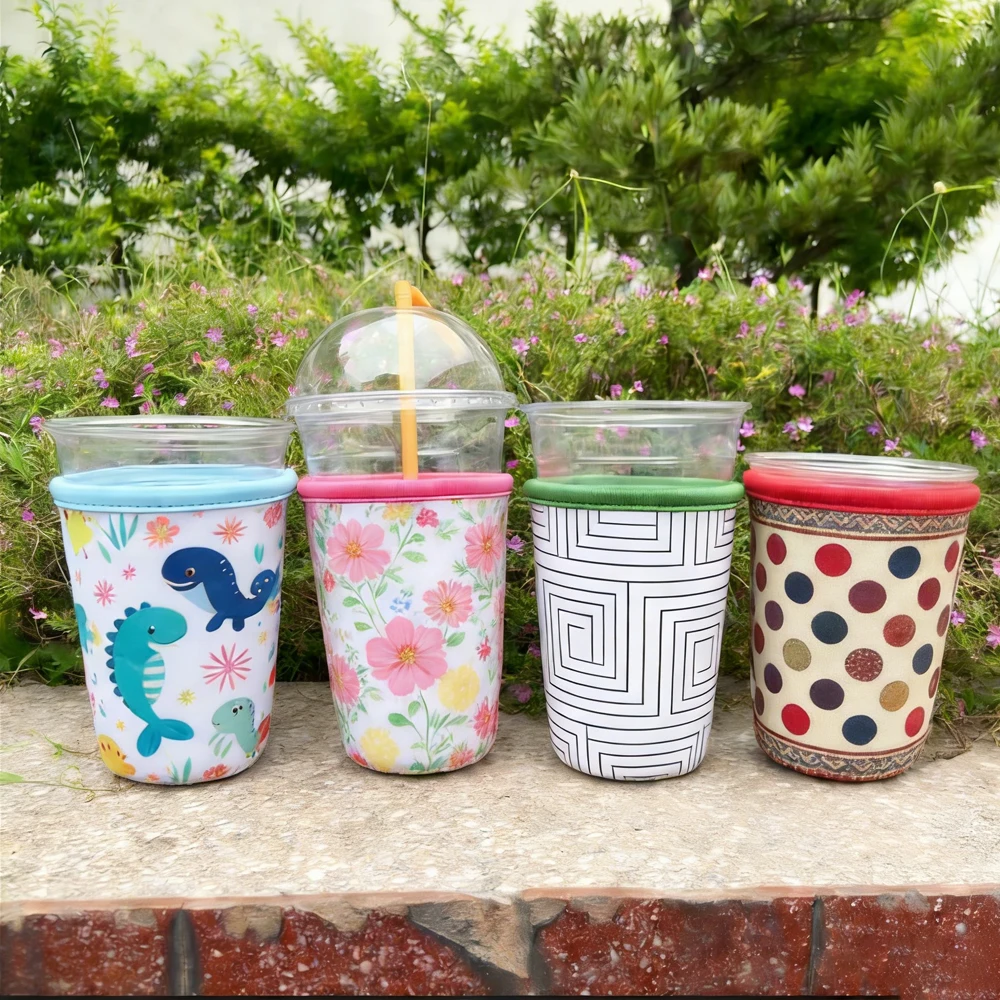
The environmental benefits of using a reusable neoprene coffee sleeve extend far beyond simply reducing paper waste. These innovative beverage holders represent a comprehensive approach to sustainable consumption, addressing resource extraction, manufacturing pollution, waste generation, and carbon footprint reduction. This article explores the multifaceted environmental advantages of adopting reusable neoprene coffee sleeves, examining their impact on waste reduction, resource conservation, carbon emissions, and broader ecosystem health. By understanding these benefits, both individual consumers and commercial establishments can make informed decisions that align with environmental stewardship while maintaining the functional requirements of beverage service.
Waste Reduction and Landfill Diversion Through Reusable Design
The Scale of Disposable Sleeve Waste
Disposable coffee sleeves represent a significant and often overlooked component of single-use waste streams. Conservative estimates suggest that coffee shops and beverage retailers distribute over ten billion disposable sleeves annually in the United States alone. Each of these sleeves is used for mere minutes before being discarded, yet they persist in landfills for months or years as they slowly decompose. The cumulative environmental burden of this waste is substantial, particularly when considering the global scale of coffee consumption and the growing café culture in developing markets where waste management infrastructure may be inadequate.
A single reusable neoprene coffee sleeve can replace hundreds or even thousands of disposable alternatives over its functional lifespan. Neoprene material is exceptionally durable, resistant to wear, and maintains its structural integrity through repeated use and washing cycles. Conservative estimates indicate that one neoprene coffee sleeve can effectively replace at least 500 disposable sleeves during a two-year period for a moderate coffee consumer. For daily coffee drinkers or commercial establishments serving dozens or hundreds of beverages per day, this replacement ratio becomes even more impressive, potentially reaching thousands of disposable sleeves prevented from entering waste streams.
Contamination Prevention in Recycling Systems
Even when disposable sleeves are theoretically recyclable, practical recycling rates remain dismally low due to contamination issues. Coffee residue, oils, and moisture frequently contaminate paper sleeves, rendering them unsuitable for standard paper recycling processes. These contaminated sleeves often compromise entire batches of recyclable materials, forcing recycling facilities to divert contaminated loads to landfills. The reusable neoprene coffee sleeve eliminates this contamination pathway entirely, as it never enters the waste stream during normal use and requires only simple washing to maintain cleanliness.
Furthermore, the neoprene coffee sleeve addresses the problematic reality that mixed-material disposable sleeves containing coatings, adhesives, or plastic linings cannot be recycled through conventional paper recycling channels. Many supposedly recyclable sleeves contain these additives to improve heat resistance or structural stability, but these enhancements make them unsuitable for standard recycling infrastructure. By choosing a reusable alternative, consumers and businesses bypass these recycling complications entirely while achieving superior insulation performance.
Extended Product Lifespan and Durability Advantages
The exceptional durability of neoprene material directly translates to environmental benefits through extended product lifespan. Unlike paper or cardboard alternatives that degrade after single use, a properly maintained neoprene coffee sleeve can remain functional for three to five years or longer with regular use. This longevity dramatically reduces the frequency of replacement purchases and the associated manufacturing, transportation, and disposal impacts. The material's resistance to tearing, water damage, and general wear ensures consistent performance throughout its lifespan without the gradual degradation common to many reusable products.
Neoprene's closed-cell foam structure provides inherent resilience that allows the material to compress and expand repeatedly without permanent deformation or loss of insulating properties. This structural characteristic means that a neoprene coffee sleeve maintains its protective and insulating function even after thousands of uses, whereas disposable alternatives become less effective with each reuse attempt. The material's resistance to common beverage stains, odor absorption, and bacterial growth further extends practical lifespan by maintaining hygienic conditions and aesthetic appeal over time.
Resource Conservation and Raw Material Impact Reduction
Forest Resource Protection and Deforestation Prevention
The production of disposable paper sleeves directly contributes to global deforestation and forest ecosystem degradation. While some manufacturers use recycled paper content or sustainably sourced fiber, the massive scale of disposable sleeve consumption ensures that virgin timber remains a significant raw material source. Each ton of virgin paper production requires approximately seventeen mature trees, along with substantial water and energy inputs. The reusable neoprene coffee sleeve eliminates this ongoing demand for wood pulp, providing a fixed-resource alternative that does not require continuous harvesting of forest materials.
Beyond the direct tree consumption, paper production for disposable sleeves impacts forest ecosystems through logging operations that disrupt wildlife habitats, alter watershed hydrology, and reduce biodiversity. Even in managed forests with replanting programs, the ecological complexity of old-growth and mature forests cannot be replicated by tree plantations. By choosing reusable alternatives, consumers support reduced pressure on forest ecosystems and allow more forested land to remain in natural or semi-natural states that provide crucial ecosystem services including carbon sequestration, water filtration, and habitat provision.
Water Resource Conservation
Paper manufacturing is notoriously water-intensive, with disposable sleeve production consuming thousands of gallons of water per ton of finished product. This water usage encompasses pulping processes, chemical treatment, washing, and cooling operations throughout the manufacturing sequence. In regions facing water scarcity or competing water demands, this consumption represents a significant environmental cost. The manufacturing of a single neoprene coffee sleeve requires substantially less water than producing the hundreds of disposable sleeves it will replace, creating a favorable water-use ratio over the product lifecycle.
Additionally, paper manufacturing generates water pollution through chemical discharges, fiber losses, and thermal pollution from cooling water. Treatment of this wastewater requires additional energy and chemical inputs, and residual pollutants frequently reach natural waterways despite treatment efforts. The closed-loop manufacturing processes increasingly used for neoprene products minimize water pollution through reduced chemical usage and improved waste treatment systems. While no manufacturing process is entirely without environmental impact, the concentrated production of durable goods like neoprene coffee sleeves distributes environmental costs across many years of use rather than generating impacts with each disposable item produced.
Energy Consumption and Manufacturing Efficiency
The cumulative energy required to manufacture, transport, and distribute billions of disposable sleeves annually far exceeds the energy investment in producing reusable alternatives. Paper production involves energy-intensive processes including mechanical pulping, chemical digestion, bleaching, drying, and finishing. Transportation energy multiplies as finished disposable sleeves must be shipped repeatedly to maintain continuous supply chains. A neoprene coffee sleeve concentrates these manufacturing and transportation energy costs into a single production and distribution cycle that serves years of use, dramatically improving energy efficiency per use occasion.
Modern neoprene manufacturing has also benefited from efficiency improvements and renewable energy adoption in industrial facilities. Many manufacturers have implemented energy recovery systems, optimized curing processes, and adopted cleaner production technologies that reduce the energy intensity of neoprene production. These improvements mean that current-generation neoprene coffee sleeves carry lower embodied energy than earlier versions, enhancing their environmental advantage over continuously manufactured disposable alternatives. The energy payback period—the time required for energy savings from avoided disposable production to exceed the embodied energy of the reusable product—typically occurs within weeks or months of regular use.
Carbon Footprint Reduction and Climate Change Mitigation
Manufacturing Emissions Comparison
Greenhouse gas emissions associated with disposable sleeve production accumulate with each unit manufactured, creating an ongoing carbon burden throughout the product category's existence. Paper manufacturing generates emissions through fossil fuel combustion for process heat, electricity consumption for machinery operation, and chemical reactions during pulping and bleaching. Transportation emissions compound these production impacts as finished sleeves move through distribution networks to reach end users. In contrast, the neoprene coffee sleeve generates its manufacturing emissions once, after which each subsequent use represents a carbon-free alternative to disposable consumption.
Life cycle assessments comparing reusable and disposable beverage accessories consistently demonstrate that reusable options achieve carbon neutrality or carbon advantage within a relatively short usage period. For a neoprene coffee sleeve used daily, carbon payback typically occurs within one to three months, after which every continued use represents net carbon emissions avoided compared to the disposable alternative. For commercial applications where a single reusable sleeve might be used dozens of times daily, carbon payback occurs even more rapidly, potentially within days or weeks of initial adoption.
Transportation and Distribution Efficiency
The logistics of disposable sleeve distribution create ongoing transportation emissions as continuous supplies must be moved from manufacturing facilities to distribution centers to individual retail locations. This supply chain operates perpetually, generating emissions with each shipment and requiring warehousing, inventory management, and last-mile delivery. The neoprene coffee sleeve dramatically simplifies this logistics chain through its durability and longevity. A single shipment can supply a consumer or business with beverage protection for years, eliminating hundreds or thousands of subsequent distribution trips that would be required to deliver equivalent disposable supplies.
The compact, stackable design of neoprene coffee sleeves also improves shipping efficiency when products do need to be transported. Higher density packing reduces the number of transportation trips required to deliver a given quantity of sleeves, lowering emissions per unit delivered. This efficiency advantage applies across all transportation modes, from maritime shipping of manufactured goods to final delivery to retail outlets or direct consumers. The cumulative transportation emissions saved through reduced shipping frequency and improved packing efficiency represent a significant portion of the neoprene coffee sleeve's overall environmental advantage.
End-of-Life Considerations and Circular Economy Potential
While disposal eventually occurs for all products, the infrequency of neoprene coffee sleeve disposal compared to continuous disposable sleeve discarding fundamentally alters the environmental equation. A product disposed of once every several years creates orders of magnitude less end-of-life impact than products discarded daily or multiple times daily. Additionally, neoprene material is increasingly being incorporated into recycling and upcycling programs that recover value from end-of-life products rather than simply landfilling them.
Emerging technologies for neoprene recycling include mechanical grinding for use as rubber modifier in various applications, pyrolysis processes that recover chemical feedstocks, and creative upcycling programs that transform old neoprene products into new consumer goods. While these systems are not yet universally available, their development represents a pathway toward truly circular neoprene coffee sleeve lifecycles where materials remain in productive use indefinitely. This contrasts sharply with paper sleeves, which degrade in quality with each recycling cycle and typically can only be recycled a limited number of times before fiber length becomes too short for further paper production.
Broader Ecosystem and Environmental Health Benefits
Reduction of Microplastic and Fiber Pollution
Disposable paper sleeves frequently contain plastic coatings, linings, or adhesives that fragment into microplastics as the sleeve degrades in landfills or natural environments. These microplastics persist in soil and water systems for decades or centuries, accumulating in food chains and potentially impacting organism health at multiple trophic levels. While neoprene is a synthetic material, the reusable neoprene coffee sleeve's durability and contained use pattern prevent the fragmentation and environmental release that occurs with disposable alternatives during decomposition.
Paper fiber pollution also represents an environmental concern, particularly in aquatic ecosystems where pulp fibers can affect water chemistry, light penetration, and sediment composition. Improperly disposed paper sleeves that reach waterways contribute to this fiber loading, altering aquatic habitat conditions. The neoprene coffee sleeve's reusable nature keeps materials out of natural environments throughout the product's functional lifespan, and proper end-of-life disposal or recycling ensures materials are directed to appropriate management facilities rather than released into ecosystems.
Chemical Input Reduction
The production of disposable paper sleeves requires numerous chemical inputs including bleaching agents, sizing compounds, wet-strength additives, and coating materials. Many of these chemicals are derived from petroleum feedstocks or involve toxic intermediates during synthesis. While regulations govern allowable chemical residues in food-contact materials, the sheer volume of disposable sleeve production means that even small residual chemical releases accumulate to significant environmental loads. The neoprene coffee sleeve concentrates chemical usage into a single manufacturing event rather than distributing it across hundreds of disposable products, reducing overall chemical throughput in industrial and environmental systems.
Washing and maintenance of reusable neoprene coffee sleeves does require occasional use of detergents or cleaning agents, but this chemical input is minimal compared to the chemicals required for continuous disposable production. Most neoprene sleeves can be effectively cleaned with mild soap and water, avoiding harsh chemicals entirely. When lifecycle chemical inputs are compared on a per-use basis, the reusable option demonstrates clear advantages in reduced chemical dependency and associated environmental releases from manufacturing and disposal processes.
Habitat Preservation Through Reduced Resource Extraction
Every natural resource extracted for disposable product manufacturing represents habitat disruption, whether through forestry operations for paper fiber, mining for minerals used in processing chemicals, or petroleum extraction for synthetic components of coated sleeves. The reusable neoprene coffee sleeve reduces the ongoing demand for these extractive activities by replacing numerous disposable products with a single durable item. This demand reduction, multiplied across millions of consumers and businesses, translates to measurable decreases in resource extraction pressure and associated habitat impacts.
The geographic concentration of resource extraction often places disproportionate environmental burdens on particular ecosystems and communities. Forestry operations, chemical manufacturing facilities, and waste disposal sites are not evenly distributed but concentrated in regions where environmental regulations may be weaker or economic pressures favor industrial development over conservation. By reducing overall material throughput through adoption of reusable products, consumers and businesses help decrease pressure on these disproportionately impacted areas, supporting more equitable distribution of environmental benefits and burdens.
Practical Implementation and Maximizing Environmental Benefits
Behavioral Factors and Consistent Usage
The environmental benefits of a reusable neoprene coffee sleeve are fully realized only through consistent, long-term use. A reusable product that remains unused in a drawer provides no environmental advantage over disposable alternatives and may actually represent a net environmental cost due to its manufacturing impacts without offsetting benefits. Maximizing environmental gains requires integrating the neoprene coffee sleeve into daily routines, ensuring it is available when needed, and maintaining it properly to extend functional lifespan.
Strategies for encouraging consistent use include keeping the neoprene coffee sleeve in locations where it will be readily accessible—in vehicles, work bags, or near coffee preparation areas. Visual cues and habit-stacking techniques, where sleeve use is linked to existing coffee consumption habits, improve adoption rates. For businesses, providing branded reusable sleeves to employees or offering incentives for customers who bring reusable accessories reinforces positive behaviors while building brand association with sustainability values.
Proper Maintenance and Lifespan Extension
Extending the functional lifespan of a neoprene coffee sleeve directly multiplies its environmental benefits by increasing the number of disposable alternatives it replaces. Proper maintenance is straightforward but essential: regular washing with mild detergent, thorough drying before storage, and avoiding exposure to extreme heat sources that might degrade the material. These simple care practices can extend product life from a few years to a decade or more, dramatically improving the environmental value proposition.
Inspection and minor repairs also contribute to lifespan extension. While neoprene coffee sleeves are durable, stitching may occasionally require reinforcement, particularly with heavily used items. Simple repairs using appropriate thread and basic sewing techniques can address small issues before they progress to functional failure, keeping the product in service longer. Businesses that provide reusable sleeves to employees might consider establishing simple repair or replacement programs that maximize the useful life of their sleeve inventory while minimizing premature disposal.
Complementary Sustainable Practices
The environmental benefits of using a reusable neoprene coffee sleeve are amplified when combined with other sustainable beverage consumption practices. Pairing the sleeve with a reusable cup or mug eliminates both the sleeve and the cup from the waste stream, creating compounding environmental advantages. Many coffee shops offer discounts or incentives for customers using personal cups, providing economic reinforcement for environmentally positive behavior while reducing business costs associated with disposable supplies.
For businesses, adopting reusable neoprene coffee sleeves can serve as a visible component of broader sustainability initiatives that encompass energy efficiency, waste reduction, sustainable sourcing, and environmental stewardship. This integration creates cultural reinforcement where sustainable practices become normalized and expected rather than exceptional. The neoprene coffee sleeve becomes not just a functional accessory but a symbol of organizational commitment to environmental responsibility, supporting employee engagement and customer perception of brand values.
FAQ
How many disposable sleeves does one neoprene coffee sleeve replace during its lifespan?
A typical neoprene coffee sleeve used regularly can replace between 500 and 2,000 disposable sleeves during its functional lifespan, depending on usage frequency and maintenance quality. For a daily coffee consumer using their sleeve once per day, a conservative three-year lifespan yields approximately 1,000 disposable sleeves prevented from waste streams. Commercial applications with multiple daily uses can achieve even higher replacement ratios, potentially exceeding 5,000 disposable sleeves replaced over the product's lifetime. The exact replacement number varies with individual usage patterns, but even conservative estimates demonstrate substantial waste reduction compared to single-use alternatives.
Does washing a neoprene coffee sleeve reduce its environmental benefits?
While washing does consume water and energy, the environmental impact of occasional cleaning is minimal compared to the continuous manufacturing and disposal of disposable alternatives. A neoprene coffee sleeve typically requires washing only once weekly or biweekly with normal use, and can be cleaned efficiently with other laundry or dishes rather than requiring dedicated washing cycles. The water and energy consumed across hundreds of washes remain substantially lower than the resources required to manufacture, transport, and dispose of equivalent disposable sleeves. Using cold water, eco-friendly detergents, and air drying further minimizes the environmental footprint of maintenance while preserving the significant overall environmental advantages of the reusable option.
What happens to neoprene coffee sleeves at the end of their useful life?
End-of-life options for neoprene coffee sleeves are evolving as recycling infrastructure develops, though current disposal typically involves landfilling or incineration. However, because disposal occurs only once every several years rather than daily, the end-of-life impact per use remains far lower than disposable alternatives. Emerging recycling programs are beginning to accept neoprene products for mechanical recycling into crumb rubber or other applications, and some manufacturers are establishing take-back programs to reclaim old products for material recovery. Until widespread recycling becomes available, the most important environmental strategy is maximizing product lifespan through proper care and maintenance, ensuring maximum use before disposal becomes necessary.
Are neoprene coffee sleeves suitable for both hot and cold beverages?
Yes, neoprene coffee sleeves provide effective insulation for both hot and cold beverages, making them versatile alternatives to disposable sleeves that often function only for hot drinks. The closed-cell foam structure of neoprene provides thermal barrier properties that keep hot beverages from burning hands while simultaneously preventing condensation from forming on cold beverage containers. This dual functionality means a single reusable sleeve serves multiple purposes that might otherwise require different disposable products, enhancing environmental benefits through increased utility and reduced need for specialized alternatives. The material's water resistance also ensures effective performance with iced beverages without the sogginess and degradation common to paper sleeves exposed to condensation.
Table of Contents
- Waste Reduction and Landfill Diversion Through Reusable Design
- Resource Conservation and Raw Material Impact Reduction
- Carbon Footprint Reduction and Climate Change Mitigation
- Broader Ecosystem and Environmental Health Benefits
- Practical Implementation and Maximizing Environmental Benefits
-
FAQ
- How many disposable sleeves does one neoprene coffee sleeve replace during its lifespan?
- Does washing a neoprene coffee sleeve reduce its environmental benefits?
- What happens to neoprene coffee sleeves at the end of their useful life?
- Are neoprene coffee sleeves suitable for both hot and cold beverages?