 EN
EN


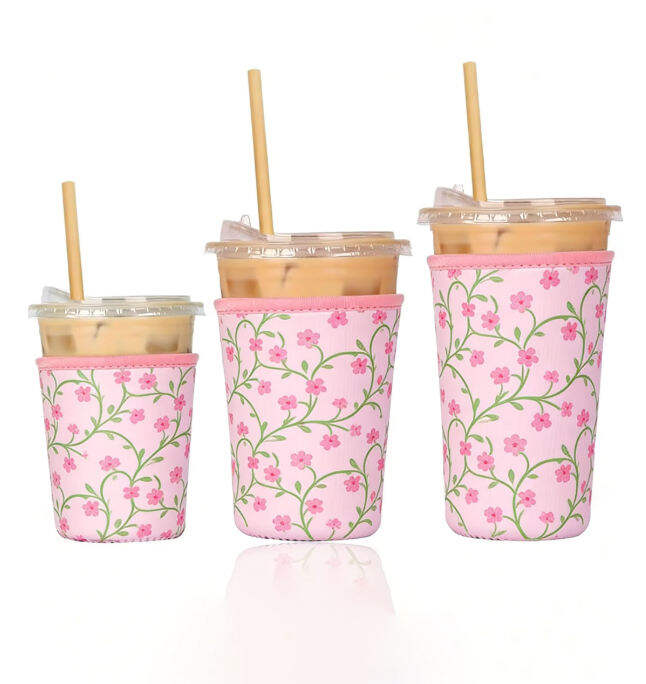
Breweries operate in one of the most competitive consumer markets, where brand recognition and customer loyalty directly influence sales growth and market penetration. In an environment saturated with craft beer options and established industry giants, promotional products serve as tangible brand ambassadors that extend marketing reach beyond traditional advertising channels. Among the diverse range of branded merchandise available, the beer can cooler sleeve stands out as an exceptionally strategic promotional investment that delivers sustained brand visibility, practical consumer value, and measurable return on marketing expenditure for breweries of all sizes.
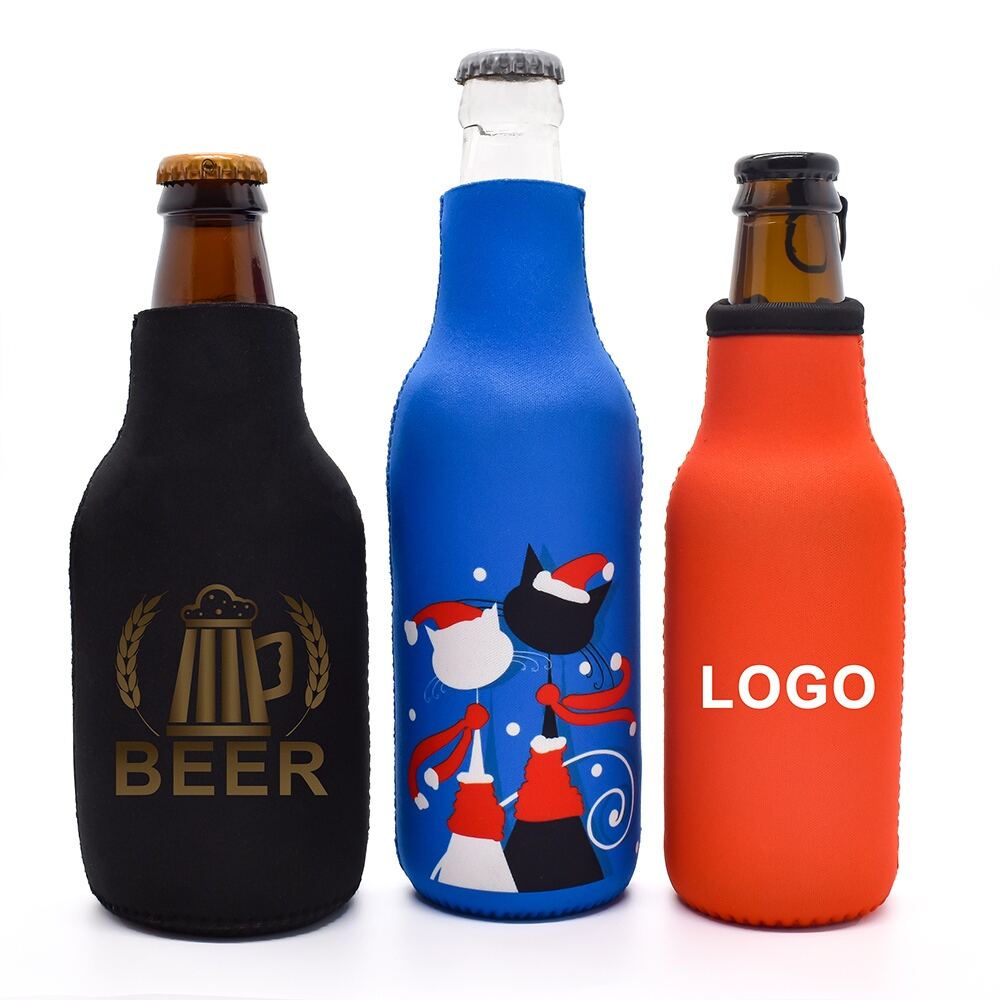
The fundamental appeal of a beer can cooler sleeve as a promotional gift lies in its perfect alignment with brewery consumer behavior patterns and the experiential nature of beer consumption. Unlike generic promotional items that may sit unused in drawers or closets, this practical accessory directly enhances the core product experience while creating repeated brand exposure in social drinking contexts where purchase decisions are influenced and shared. Understanding why this specific promotional product outperforms alternatives requires examining the intersection of functional utility, consumer psychology, cost efficiency, and brand amplification mechanisms that make it uniquely suited to brewery marketing objectives.
The Functional Value Proposition That Drives Consumer Adoption
Temperature Maintenance Performance in Real-World Drinking Scenarios
The primary functional benefit of a beer can cooler sleeve centers on thermal insulation that preserves optimal drinking temperature throughout the consumption period. Beer flavor profiles depend heavily on serving temperature, with most styles designed for consumption between thirty-eight and fifty-five degrees Fahrenheit. Without insulation, ambient heat transfer causes a standard twelve-ounce can to warm approximately fifteen to twenty degrees within twenty minutes under typical outdoor conditions, significantly degrading taste quality and consumer satisfaction. The neoprene construction commonly used in quality beer can cooler sleeve products provides effective thermal resistance that extends optimal temperature retention by sixty to ninety minutes.
This performance characteristic directly addresses a genuine consumer pain point that beer drinkers encounter regularly during outdoor events, backyard gatherings, sporting activities, and casual social occasions. By solving an authentic problem rather than offering decorative novelty alone, the promotional item earns regular use and positive brand association. Recipients integrate the sleeve into their routine beer consumption habits, creating consistent brand exposure that passive promotional items cannot match. The functional necessity ensures the product remains visible and actively used rather than discarded or forgotten after initial distribution.
Condensation Control and Enhanced Grip Functionality
Beyond temperature maintenance, a beer can cooler sleeve provides practical benefits related to condensation management and improved handling characteristics. Standard aluminum cans develop significant exterior moisture accumulation when filled with cold beverages, creating slippery surfaces that compromise grip security and cause dripping that damages furniture and electronics. The absorbent exterior surface of a quality cooler sleeve eliminates this moisture transfer while providing textured grip that prevents accidental drops and spills during animated conversations or active outdoor use.
These secondary functional attributes contribute substantial practical value that reinforces regular use patterns. Consumer surveys consistently indicate that handling comfort and condensation prevention rank among the top reasons users choose to employ beer can cooler sleeves even in indoor temperature-controlled environments. For breweries, this expanded use context means their branded promotional item receives exposure across diverse consumption scenarios rather than being limited to outdoor summer events. The multi-benefit functionality increases the frequency of brand touchpoints and strengthens positive associations between the brewery brand and enhanced drinking experiences.
Strategic Brand Visibility Advantages in Social Consumption Contexts
Extended Exposure Duration Compared to Alternative Promotional Products
The marketing effectiveness of any promotional product correlates directly with the frequency and duration of brand exposure it generates. A beer can cooler sleeve excels in this metric because it accompanies the consumer throughout the entire beverage consumption period, typically lasting thirty to sixty minutes per drinking occasion. This extended brand presence significantly outperforms disposable promotional items or passive merchandise that receives only momentary attention. The sleeve remains in the consumer's hand, within their visual field, and prominently displayed to surrounding observers throughout the social drinking experience.
Comparative analysis reveals that beer can cooler sleeve promotional products generate approximately four to seven times more brand impressions per unit cost than traditional print advertising materials. While a promotional flyer might receive thirty seconds of attention before disposal, a regularly used cooler sleeve accumulates hundreds of cumulative exposure minutes across multiple use occasions. This repetition builds brand familiarity through the psychological principle of mere exposure effect, where repeated passive contact with a brand increases positive sentiment and purchase consideration without requiring active persuasion or sales messaging.
Social Amplification Through Peer Visibility and Conversation Triggers
Beer consumption predominantly occurs within social contexts where multiple people gather for shared experiences, creating natural opportunities for brand message amplification beyond the direct recipient. When a consumer uses a branded beer can cooler sleeve at a barbecue, tailgate party, beach outing, or backyard gathering, the brewery logo receives exposure to every person in that social group. Research in promotional product effectiveness indicates that each actively used branded item generates an average of six to ten secondary impressions per use occasion as friends, family members, and acquaintances notice and register the brand message.
This peer visibility operates through two distinct mechanisms that enhance promotional impact. First, the physical presence of the branded sleeve within group settings creates passive visual exposure that builds brand awareness among potential customers in the target demographic. Second, interesting or attractive designs frequently trigger direct conversations about the brewery, creating active engagement opportunities where brand advocates share personal experiences and recommendations. These organic word-of-mouth interactions carry significantly higher credibility and persuasive power than paid advertising messages, converting promotional product distribution into authentic peer-to-peer marketing that influences purchase decisions and trial behavior.
Photographic Documentation and Digital Brand Extension
Contemporary social behavior includes widespread documentation of leisure activities through smartphone photography and social media sharing. Outdoor gatherings, celebrations, and casual drinking occasions represent prime content generation moments where participants photograph food, drinks, and group interactions for digital sharing. A visually distinctive beer can cooler sleeve naturally appears in these user-generated content pieces, extending brand reach into digital channels without requiring additional advertising expenditure. Each social media post featuring a branded sleeve exposes the brewery message to networks of friends and followers who represent qualified target audience members.
This organic digital amplification provides significant value because it operates within trusted social networks rather than commercial advertising channels that consumers actively filter and discount. When friends share photos of enjoyable experiences that incidentally feature brewery branding, they implicitly endorse the brand through association with positive moments and desirable lifestyles. Breweries benefit from authentic visual testimonials that reach demographically relevant audiences with high engagement potential. The cumulative digital impressions generated through this mechanism can exceed direct physical exposure by factors of ten to fifty, depending on the social media activity levels of recipients and the visual appeal of the promotional product design.
Cost Efficiency Analysis Compared to Alternative Marketing Investments
Per-Impression Cost Advantages Over Traditional Advertising Channels
Budget optimization remains critical for breweries operating with limited marketing resources, making cost-per-impression analysis essential when evaluating promotional strategies. A quality beer can cooler sleeve typically costs between one dollar and three dollars per unit at moderate production volumes, while generating thousands of brand impressions throughout its multi-year usable lifespan. This creates per-impression costs ranging from point-zero-zero-one to point-zero-zero-five cents, significantly lower than virtually all paid advertising alternatives including digital display ads, social media promotion, radio spots, and print placements.
Traditional advertising channels require continuous expenditure to maintain presence, with impressions ceasing immediately when budget allocation ends. In contrast, a distributed beer can cooler sleeve continues generating brand exposure for years after the initial investment, creating compounding value that dramatically improves return on marketing spend. For small and regional breweries competing against larger brands with substantial advertising budgets, this efficiency advantage enables competitive brand visibility despite resource constraints. The promotional product essentially functions as a one-time investment that delivers ongoing marketing returns through sustained consumer use.
Retention and Reuse Rates That Maximize Investment Value
The effectiveness of promotional products depends heavily on retention rates, as discarded items generate no ongoing marketing value regardless of production quality. Consumer research indicates that beer can cooler sleeves maintain exceptionally high retention rates, with approximately seventy-eight to eighty-five percent of recipients reporting continued use beyond twelve months after receiving the item. This retention performance significantly exceeds most promotional product categories, where average retention rates hover around fifty to sixty percent for the same timeframe. The functional utility and regular use integration discussed earlier directly drive these superior retention metrics.
High retention translates directly to extended marketing value extraction from each unit distributed. A promotional item retained and used regularly for three years generates substantially more brand exposure than an item discarded after six months, even if initial distribution costs were identical. For breweries, this means budget efficiency extends beyond simple per-unit costs to encompass the total impression volume generated throughout product lifespan. The beer can cooler sleeve delivers exceptional performance on this comprehensive metric, providing sustained brand presence that justifies initial investment and creates favorable comparison to alternative promotional products with shorter functional lifespans or lower practical utility.
Scalable Production Economics Suitable for Diverse Brewery Sizes
Manufacturing economics for beer can cooler sleeves favor both small craft operations and larger regional breweries through flexible minimum order quantities and accessible price points across production volumes. Small breweries can initiate promotional programs with orders as modest as one hundred to two hundred fifty units, enabling market testing and event-specific distributions without prohibitive upfront investment. Meanwhile, larger operations benefit from volume discounting that reduces per-unit costs below one dollar when ordering thousands of units, making large-scale distribution campaigns economically feasible.
This scalability allows breweries to match promotional investment to current business stage and marketing objectives. Start-up craft breweries can employ beer can cooler sleeves for targeted local awareness building without diverting excessive capital from production and distribution infrastructure. Established regional breweries can leverage the same promotional vehicle for broad market penetration and competitive positioning against national brands. The adaptable economics accommodate growth trajectories, enabling consistent brand presentation across business development phases while maintaining appropriate budget proportions relative to revenue scale and marketing capacity.
Target Audience Alignment and Distribution Channel Advantages
Perfect Demographic Match With Core Beer Consumer Profiles
Effective promotional products must resonate with target audience preferences and lifestyle characteristics to achieve adoption and regular use. The beer can cooler sleeve exhibits exceptional alignment with core beer consumer demographics, particularly the twenty-five to fifty-four age range that represents primary craft beer purchasers and consumption volume leaders. This demographic demonstrates strong preferences for outdoor recreation, social gathering activities, and experiential consumption that directly correlate with cooler sleeve use contexts. The promotional item integrates naturally into target lifestyle patterns rather than requiring behavior modification or creating adoption friction.
Psychographic analysis reveals additional alignment factors that enhance promotional effectiveness. Craft beer consumers typically value authenticity, local business support, and functional quality over superficial branding. A well-designed beer can cooler sleeve communicates these values through practical utility and thoughtful design rather than aggressive sales messaging. Recipients perceive the gift as genuine value provision rather than manipulative advertising, creating positive brand sentiment and receptivity to future engagement. This alignment between promotional vehicle characteristics and target audience values maximizes conversion potential from awareness to trial and sustained patronage.
Distribution Channel Versatility Across Marketing Touchpoints
Breweries benefit from multiple distribution opportunities that position beer can cooler sleeves at strategic customer journey stages. Taproom purchases above specified thresholds can include complimentary sleeves as purchase incentives that reward loyalty and encourage repeat visits. Festival and event participation provides high-volume distribution contexts where thousands of potential customers receive functional gifts that generate sustained post-event brand recall. Wholesale partnerships can incorporate branded sleeves as point-of-sale displays or retailer incentives that strengthen distribution relationships and enhance shelf visibility.
This channel versatility enables integrated marketing approaches where the promotional product reinforces messages across multiple touchpoints. A consumer might first encounter the brewery brand through a beer can cooler sleeve received at a summer music festival, subsequently see the same branding during retail beer aisle browsing, and finally visit the taproom where sleeve availability rewards their patronage. The consistent branded item creates recognition continuity that builds familiarity and trust more effectively than disconnected marketing tactics. Strategic distribution planning maximizes cumulative impact by coordinating sleeve deployment with broader campaign timing and market development priorities.
Organic Advocacy Generation Through Utility and Design Appeal
The combination of functional value and attractive design transforms recipients into voluntary brand advocates who actively promote the brewery within their social networks. When consumers genuinely appreciate a promotional gift's utility and aesthetic qualities, they naturally share that satisfaction through conversation, product lending to friends, and recommendations for brewery visits or product trials. This organic advocacy represents the highest-value marketing outcome because it operates through trusted peer relationships rather than commercial persuasion channels that consumers instinctively resist.
Breweries can amplify this advocacy effect through design choices that make beer can cooler sleeves worthy of conversation and social sharing. Humorous messaging, locally relevant imagery, limited edition designs, and premium material selection all enhance perceived value and sharing motivation. When recipients view the promotional item as interesting, collectible, or representative of desirable identity attributes, they transition from passive brand exposure recipients to active brand ambassadors who voluntarily extend marketing reach. This transformation multiplies promotional investment returns by converting single distribution points into ongoing referral generation mechanisms that compound value over time.
Design Customization Capabilities That Strengthen Brand Identity
Visual Branding Flexibility for Market Positioning Communication
The surface area and construction characteristics of a beer can cooler sleeve provide excellent canvases for brand identity expression that communicates market positioning and differentiation. Full-color printing capabilities accommodate complex logos, detailed imagery, and sophisticated design compositions that convey brand personality and quality positioning. Small craft breweries can emphasize local authenticity through geographic references and community-oriented messaging, while larger operations can project professional polish and consistency that builds regional or national brand recognition.
Customization extends beyond basic logo placement to encompass messaging strategies that reinforce specific marketing objectives. Breweries can feature flagship product names, promotional taglines, social media handles for community building, or QR codes linking to digital engagement platforms. This flexibility enables the physical promotional product to function as a bridge between offline brand encounters and online community participation, creating integrated customer journey experiences that span multiple channels. Strategic design choices transform the beer can cooler sleeve from simple giveaway item into sophisticated marketing tool that advances specific business objectives through thoughtful brand communication.
Seasonal and Campaign-Specific Design Variations
Production economics and minimum order requirements accommodate limited-run designs that support seasonal releases, special events, and time-bound marketing campaigns. Breweries can create unique beer can cooler sleeve designs for Oktoberfest celebrations, summer seasonal releases, anniversary commemorations, or partnership collaborations that generate collectibility appeal and urgency motivation. Limited availability creates perceived scarcity that enhances value attribution and encourages active seeking behavior among brand enthusiasts and collectors.
This design variation capability enables dynamic marketing approaches where promotional products remain fresh and engaging rather than becoming stale through excessive repetition. Consumers who already own standard brewery-branded sleeves may actively pursue special edition versions, creating multiple engagement opportunities from the same promotional vehicle category. The strategy also generates social media content opportunities as breweries announce new designs and enthusiasts share collection progress. These dynamics transform a simple promotional product distribution into an ongoing engagement program that maintains customer attention and creates regular interaction touchpoints throughout the year.
Premium Material Options for Value Perception Enhancement
While standard neoprene construction provides excellent functionality at accessible price points, premium material alternatives enable differentiation strategies for brewery brands pursuing upmarket positioning or targeting discerning consumer segments. Specialty insulation technologies, eco-friendly recycled materials, and enhanced construction techniques communicate quality commitment and environmental responsibility that align with craft beer consumer values. These material choices create tangible differentiation from commodity promotional products while supporting broader brand narrative development around craftsmanship and sustainability.
Premium beer can cooler sleeve options justify higher per-unit costs through enhanced perceived value that strengthens brand positioning and recipient appreciation. When consumers receive promotional products that demonstrate obvious quality and thoughtful design, they attribute those characteristics to the brewery brand itself, creating halo effects that influence quality perceptions of the core beer products. This psychological mechanism makes the promotional investment function as brand positioning communication rather than simple awareness generation, delivering strategic marketing value beyond basic exposure metrics. For breweries competing in premium market segments, the material quality signal sent through promotional products directly reinforces pricing strategies and target customer attraction.
FAQ
What makes a beer can cooler sleeve more effective than other brewery promotional products?
The effectiveness advantage stems from three critical factors that other promotional items rarely combine simultaneously. First, the beer can cooler sleeve provides genuine functional utility that directly enhances the core product consumption experience, ensuring regular use rather than storage or disposal. Second, it generates extended brand exposure throughout drinking occasions that typically last thirty to sixty minutes, substantially exceeding the momentary attention most promotional items receive. Third, beer consumption predominantly occurs in social contexts where peer visibility creates secondary impressions and conversation opportunities that amplify marketing impact beyond the direct recipient. This combination of practical value, extended exposure duration, and social amplification context creates superior cost-per-impression performance compared to alternatives like branded glassware, apparel, or print materials.
How many beer can cooler sleeves should a small craft brewery order for effective promotional impact?
Small craft breweries should calibrate initial orders to specific distribution strategies and market scale rather than arbitrary volume targets. For taproom-focused operations serving local markets, an initial order of two hundred fifty to five hundred units provides sufficient inventory for three to six months of strategic distribution through purchase incentives and event participation. Breweries with broader distribution networks or planning major festival participation may require one thousand to two thousand units to support comprehensive campaign execution. The key consideration involves matching order volume to realistic distribution capacity and timeline, as overly aggressive initial orders risk creating excess inventory, while insufficient quantities prevent sustained campaign momentum. Most breweries achieve optimal results by starting with conservative volumes that enable market testing, then scaling subsequent orders based on observed retention rates and customer response patterns.
Can beer can cooler sleeves accommodate different can sizes beyond standard twelve-ounce formats?
Quality beer can cooler sleeve products typically accommodate standard twelve-ounce cans most effectively due to dimensional optimization, but adaptability exists for alternative formats through material elasticity and construction design. The neoprene material common in premium sleeves provides sufficient flexibility to fit both standard and slim twelve-ounce can profiles without requiring separate SKUs. Some manufacturers offer dedicated designs for sixteen-ounce tallboy cans that are increasingly popular in craft beer packaging, though these require separate ordering and inventory management. Breweries packaging in multiple can sizes should evaluate their sales mix to determine whether standard format optimization serves the majority use case adequately or whether multiple sleeve variants justify the additional complexity and investment required for comprehensive size coverage.
How should breweries distribute beer can cooler sleeves to maximize promotional return on investment?
Maximum promotional return requires strategic distribution aligned with customer acquisition and retention priorities rather than indiscriminate giveaway approaches. High-value strategies include using sleeves as purchase incentives for taproom transactions above specified thresholds, which rewards existing customers while encouraging larger transaction sizes. Festival and public event distribution targets qualified prospects in contexts where beer consumption naturally occurs, creating immediate utility demonstration and positive brand association. Wholesale partner incentive programs strengthen distribution relationships by providing retailers with customer attraction tools that benefit both parties. Lower-value approaches include completely free distribution without purchase requirements, which attracts opportunistic recipients unlikely to become customers and dilutes budget impact. The optimal distribution mix balances broad awareness building through strategic free distribution at high-prospect-density events with loyalty reinforcement through purchase-linked distribution that rewards existing customer relationships.
Table of Contents
- The Functional Value Proposition That Drives Consumer Adoption
- Strategic Brand Visibility Advantages in Social Consumption Contexts
- Cost Efficiency Analysis Compared to Alternative Marketing Investments
- Target Audience Alignment and Distribution Channel Advantages
- Design Customization Capabilities That Strengthen Brand Identity
-
FAQ
- What makes a beer can cooler sleeve more effective than other brewery promotional products?
- How many beer can cooler sleeves should a small craft brewery order for effective promotional impact?
- Can beer can cooler sleeves accommodate different can sizes beyond standard twelve-ounce formats?
- How should breweries distribute beer can cooler sleeves to maximize promotional return on investment?